- Home
- ISLAMIC RESISTANCE
- SECRETARY-GENERAL
-
Full Speeches
- Speeches-2000
- Speeches-2006
- Speeches-2007
- Speeches-2008
- Speeches-2009
- Speeches-2010
- Speeches-2011
- Speeches-2012
- Speeches-2013
- Speeches-2014
- Speeches-2015
- Speeches-2016
- Speeches-2017
- Speeches-2018
- Speeches-2019
- Speeches-2020
- Speeches-2021
- Speeches-2022
- Speeches-2023
- Speeches-2024
- Speeches-2025
- Speeches-2026
- Speech-Reports
- SG
-
Full Speeches
- Voices
- Ten Day Dawn
- The Biggest Crime
- Martyr Leaders

World Sees Record Six-Day Heat Above 2°C Threshold
By Staff, Agencies
The world has recorded six consecutive days with global temperatures exceeding 2°C above preindustrial levels for the first time, marking an unprecedented heat streak that scientists warn could signal further acceleration in global warming.
According to data cited by The Guardian, global surface temperatures reached a record 2.24°C above preindustrial levels on Monday, with similarly high temperatures expected to persist.
Scientists stressed that the brief period does not mean the Paris Agreement's long-term temperature threshold has been breached, but warned that it highlights the growing consequences of fossil fuel emissions.
Experts attribute the extreme temperatures to human-driven global warming, primarily caused by burning fossil fuels, alongside an unusually strong El Nino phenomenon expected to peak around January.
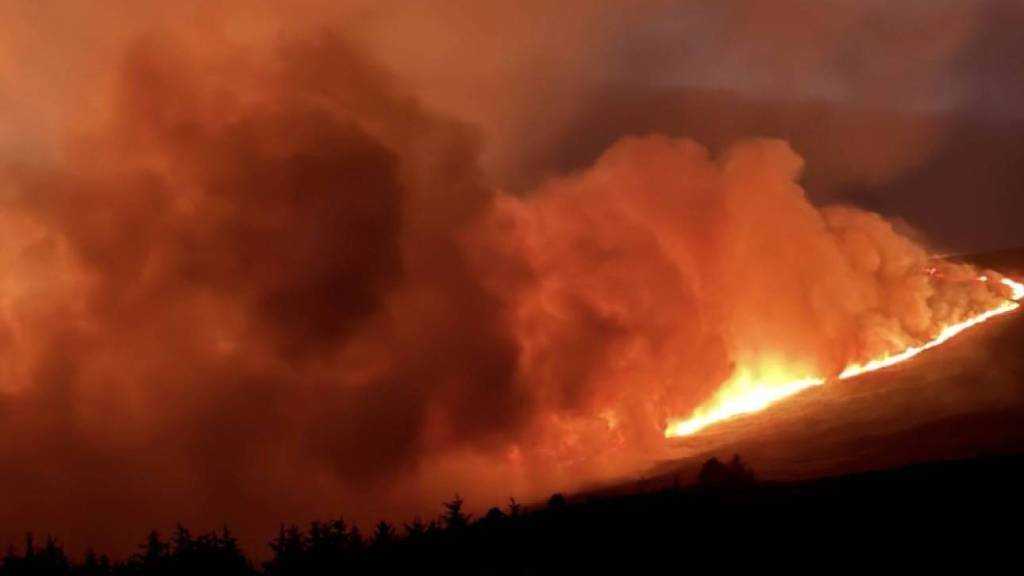
Scientists have also warned that rising temperatures are intensifying droughts and wildfires in tropical ecosystems, including Indonesia and the Amazon, reducing their ability to absorb carbon dioxide.
The UK Met Office expects atmospheric CO2 concentrations to rise by approximately 3.5 parts per million between this year and next, around a third faster than in recent years.
Scientists warn that deteriorating tropical ecosystems could further accelerate the accumulation of greenhouse gases and intensify climate impacts.
The latest temperature records come amid growing concerns over increasingly severe weather disasters. This year's summer heat reportedly caused more than 50,000 deaths across the European Union and 5,000 in the UK.
Climate experts have urged governments to accelerate emissions reductions while preparing infrastructure, healthcare systems and communities for increasingly extreme temperatures.
Comments
- Related News