- Home
- ISLAMIC RESISTANCE
- SECRETARY-GENERAL
-
Full Speeches
- Speeches-2000
- Speeches-2006
- Speeches-2007
- Speeches-2008
- Speeches-2009
- Speeches-2010
- Speeches-2011
- Speeches-2012
- Speeches-2013
- Speeches-2014
- Speeches-2015
- Speeches-2016
- Speeches-2017
- Speeches-2018
- Speeches-2019
- Speeches-2020
- Speeches-2021
- Speeches-2022
- Speeches-2023
- Speeches-2024
- Speeches-2025
- Speeches-2026
- Speech-Reports
- SG
-
Full Speeches
- Voices
- Ten Day Dawn
- The Biggest Crime
- Martyr Leaders

Russia and China Condemn IAEA Resolution, Urge Dialogue on Iran’s Nuclear File
By Staff, Agencies
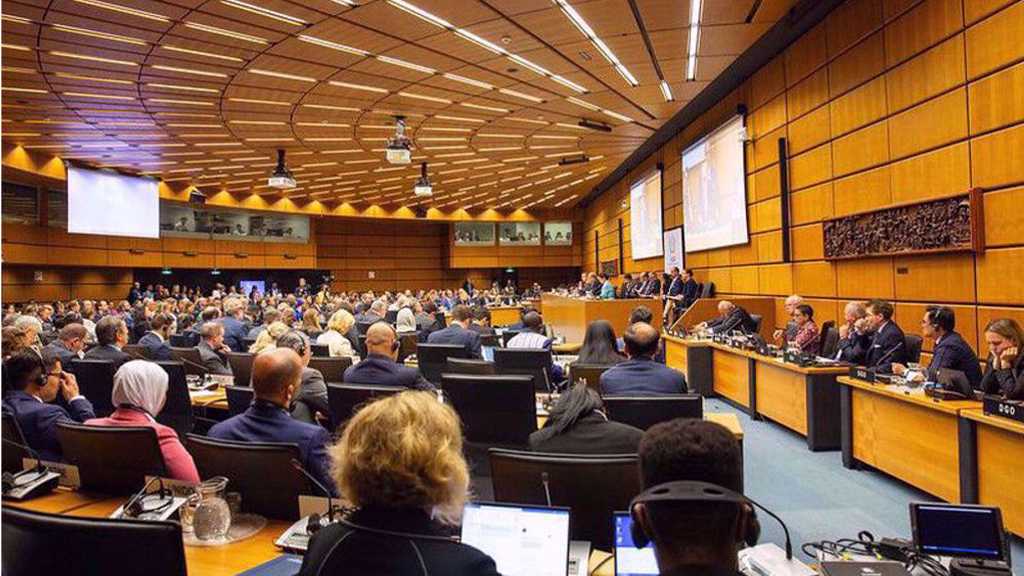
Russia and China strongly criticized the new IAEA Board of Governors resolution against Iran, calling instead for diplomacy and cooperation. The resolution — drafted by France, Germany, the UK, and the US — passed 19–3 with 12 abstentions and demands that Tehran promptly explain its enriched uranium stocks and sites damaged in the June attacks by the United States and “Israel.”
Russian Foreign Ministry Spokesperson Maria Zakharova said Moscow remains committed to political and diplomatic solutions and warned that military actions threatening West Asia’s stability are “unacceptable,” especially attacks on monitored nuclear facilities.
She added that US aggression against Iranian nuclear sites undermines the Non-Proliferation Treaty, to which Iran remains fully committed. Zakharova stressed that Iran requires “serious guarantees” that its sites will not be targeted again before talks can resume.
China’s IAEA representative Li Song said the resolution is counterproductive and will “only make things worse,” arguing that the US, “Israel,” and key European states are responsible for escalating the crisis after attacking safeguarded Iranian sites in June. He said such actions should be condemned by the international community.
Li highlighted the Iran–IAEA Cairo agreement as a positive step and criticized the UK-France-Germany snapback mechanism for damaging cooperation.
He concluded that the issue can only be resolved by respecting Iran’s NPT rights and restoring political, diplomatic, and safeguards-based engagement.
Comments
- Related News