- Home
- ISLAMIC RESISTANCE
- SECRETARY-GENERAL
-
Full Speeches
- Speeches-2000
- Speeches-2006
- Speeches-2007
- Speeches-2008
- Speeches-2009
- Speeches-2010
- Speeches-2011
- Speeches-2012
- Speeches-2013
- Speeches-2014
- Speeches-2015
- Speeches-2016
- Speeches-2017
- Speeches-2018
- Speeches-2019
- Speeches-2020
- Speeches-2021
- Speeches-2022
- Speeches-2023
- Speeches-2024
- Speeches-2025
- Speeches-2026
- Speech-Reports
- SG
-
Full Speeches
- Voices
- Ten Day Dawn
- The Biggest Crime
- Martyr Leaders

Yemeni Official Rejects Saudi Calls for Confrontation With Sanaa
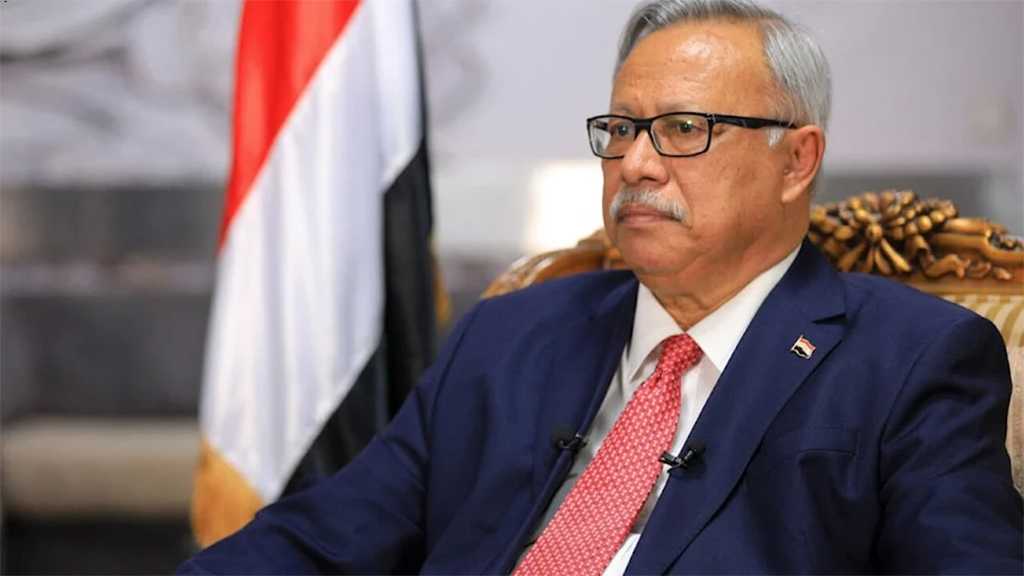
By Staff, Agencies
A senior Yemeni official has rejected Saudi calls for forces in the country's southern provinces to confront Sanaa militarily, describing the appeals as part of a broader effort to maintain Saudi political, security, and economic influence over Yemen.
Abdulaziz bin Habtour, a member of Yemen's Supreme Political Council, said the Saudi invitations "have nothing to do with defending the south or serving its causes."
Speaking to the SABA News Agency, bin Habtour argued that the calls are part of a wider strategy aimed at preventing Yemen from exercising an independent national decision.
"The essence of Saudi hostile policy in Yemen is not based on opposing a particular Yemeni faction, but rather on preventing the formation of any Yemeni authority that possesses an independent sovereign political decision, whether in the north, the south, or any local entity capable of managing its affairs away from Saudi influence," he said.
Bin Habtour added that previous experience showed Riyadh had targeted various Yemeni factions, including southern groups pursuing their own political agendas, whenever they sought to adopt positions independent of Saudi policy.
He also said efforts to draw southern provinces into a new conflict with Sanaa would not serve the southern cause but would instead "drain their human, military, and economic capacities, deepen division, and weaken the chances of reaching an independent Yemeni political settlement."
According to bin Habtour, linking the southern issue to a conflict driven by external interests "empties it of its content and turns it into merely a card used by external forces according to their interests."
Comments
- Related News