- Home
- ISLAMIC RESISTANCE
- SECRETARY-GENERAL
-
Full Speeches
- Speeches-2000
- Speeches-2006
- Speeches-2007
- Speeches-2008
- Speeches-2009
- Speeches-2010
- Speeches-2011
- Speeches-2012
- Speeches-2013
- Speeches-2014
- Speeches-2015
- Speeches-2016
- Speeches-2017
- Speeches-2018
- Speeches-2019
- Speeches-2020
- Speeches-2021
- Speeches-2022
- Speeches-2023
- Speeches-2024
- Speeches-2025
- Speeches-2026
- Speech-Reports
- SG
-
Full Speeches
- Voices
- Ten Day Dawn
- The Biggest Crime
- Martyr Leaders

Iran Seeks to Dismantle Decades of US Military Dominance in Gulf
By Staff, Agencies
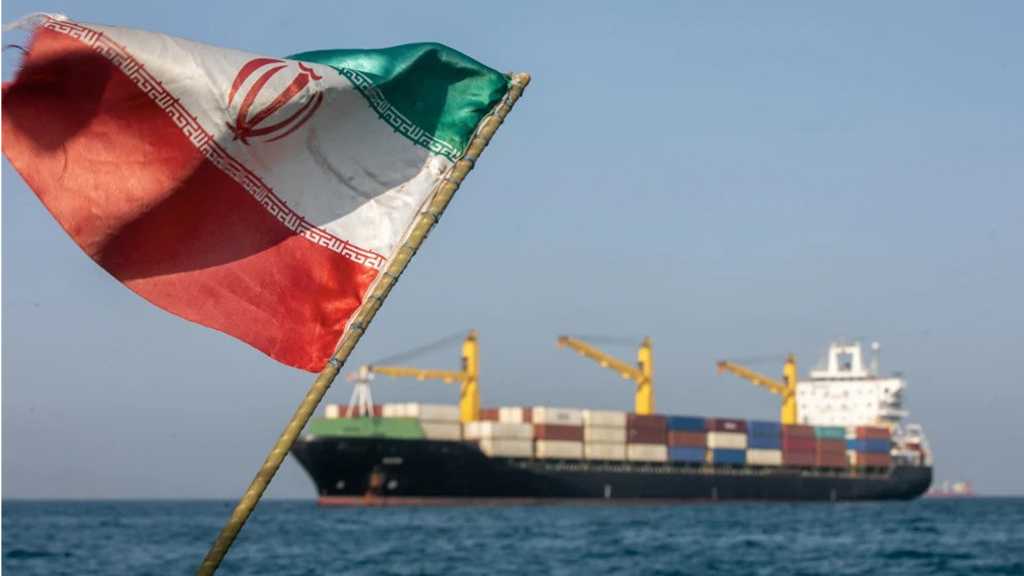
Iran is seeking an agreement to reopen the Strait of Hormuz while barring US Navy warships from the strategic waterway, in a move that could challenge Washington’s more than five-decade military presence in the region, the Wall Street Journal [WSJ] reported.
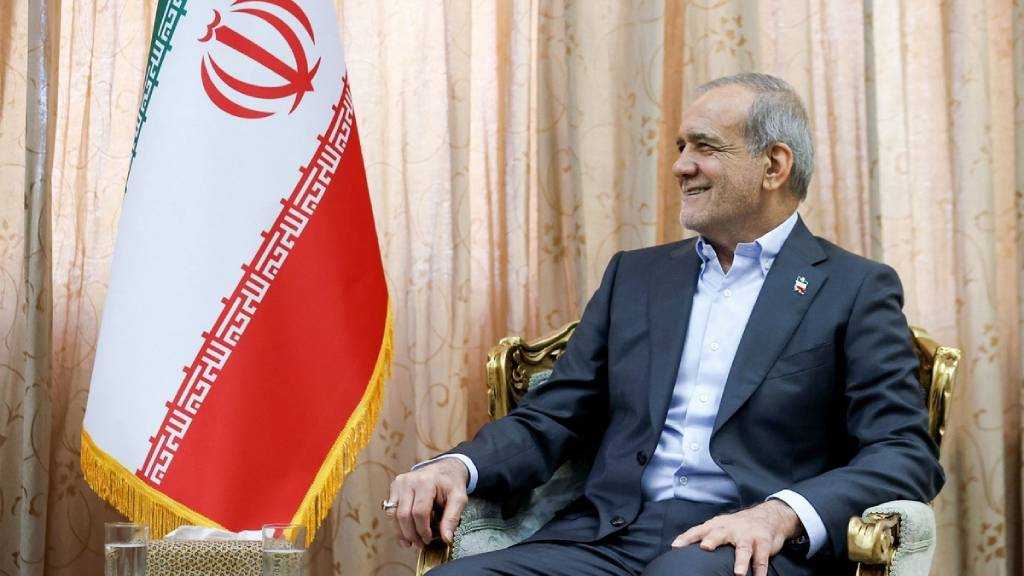
The push comes as talks continue with Oman, which is mediating between Tehran and Washington to end the six-month US war on Iran.
According to WSJ, Washington has told mediators it will not accept any Iranian restrictions or fees on Hormuz traffic, one of several points of friction that have stalled a final agreement.
Despite the toll the war has taken, Iran's leadership is pressing for the withdrawal of US forces from the Gulf, a goal it has held for decades, WSJ reported, citing a former senior US intelligence official who said the outcome will likely mean significant Iranian de facto control over the strait regardless of how talks conclude.
Citing a report by Fars News Agency, WSJ said draft legislation under review by Iran's Supreme National Security Council would bar "Israeli" vessels and any ships or cargo tied to actions against Iran's regional allies from transiting the strait.
Countries responsible for damage to Iran would be required to pay compensation before being granted passage, and navigation through the waterway would fall under Iranian government and military authority.
WSJ noted that mediators say these specific provisions are not part of the current Oman-brokered draft.
Iran and Oman are nearing an agreement on arrangements for the Strait of Hormuz, with progress reported and a deal expected soon, a US official told Reuters on Friday.
“There is progress between Oman and Iran on the Strait, and we expect a deal soon,” the official stressed.
The official said the United States would lift its blockade of Iranian ports once an agreement is announced to restore commercial shipping through the Strait without impediments.
WSJ cited analysts who say Iran already holds effective control over the strait regardless of how the legal terms are settled.
Rosemary Kelanic of Defense Priorities said Washington has already been pushed out of the Gulf in terms of usable military power, with commercial shippers remaining reluctant to cross without assurance from Tehran.
The paper also detailed how Iran established the Gulf Strait Authority earlier in the war, requiring shipowners to register and pay for insurance through the agency, a move Washington answered with sanctions threatening any shipper that engages with it.
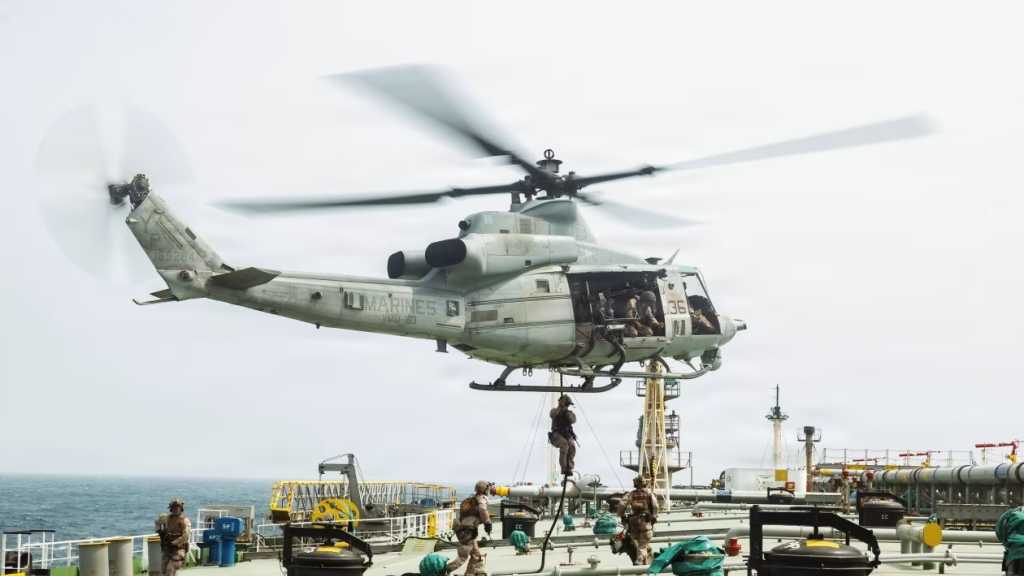
According to the report, the US military footprint in the Gulf, dating to 1971 when Washington assumed control of a former British base in Bahrain, expanded to roughly 30,000 troops across bases in Kuwait, Saudi Arabia, Qatar and the UAE.
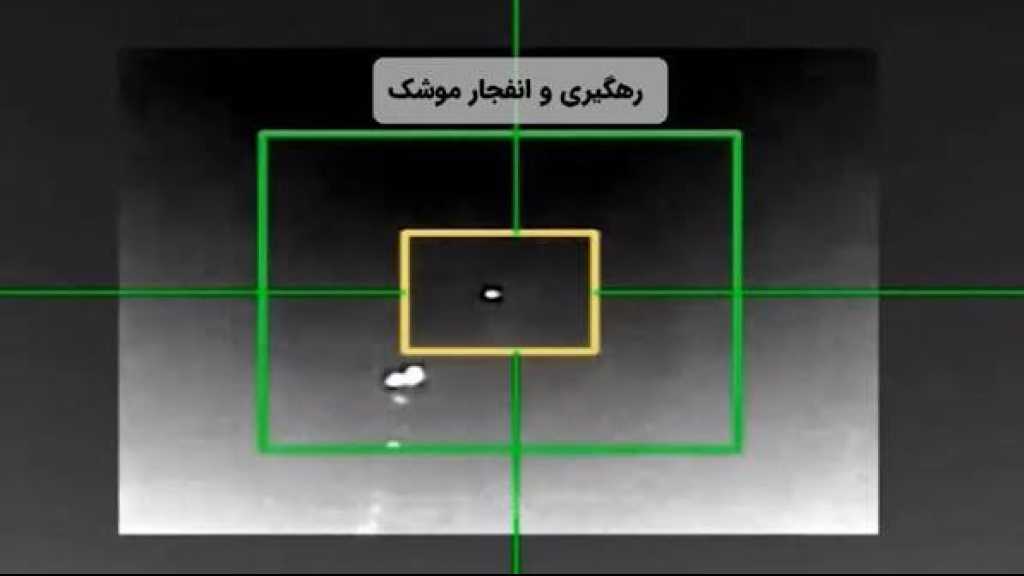
Iranian strikes on those bases during the war forced the Pentagon to redeploy and lean on installations outside the Gulf, a shift Tehran views as a lasting strategic gain, comparable to its missile and nuclear programs.
WSJ reported that Gulf states, wary of further escalation, are examining pipeline routes to the Red Sea and Gulf of Oman as a hedge, though officials there acknowledge these bypasses offer no protection absent a durable peace agreement.
Comments
- Related News