- Home
- ISLAMIC RESISTANCE
- SECRETARY-GENERAL
-
Full Speeches
- Speeches-2000
- Speeches-2006
- Speeches-2007
- Speeches-2008
- Speeches-2009
- Speeches-2010
- Speeches-2011
- Speeches-2012
- Speeches-2013
- Speeches-2014
- Speeches-2015
- Speeches-2016
- Speeches-2017
- Speeches-2018
- Speeches-2019
- Speeches-2020
- Speeches-2021
- Speeches-2022
- Speeches-2023
- Speeches-2024
- Speeches-2025
- Speeches-2026
- Speech-Reports
- SG
-
Full Speeches
- Voices
- Ten Day Dawn
- The Biggest Crime
- Martyr Leaders

IRG Spox: Hormuz Reopening Depends on US Acceptance of Iran’s Conditions
By Staff, Agencies
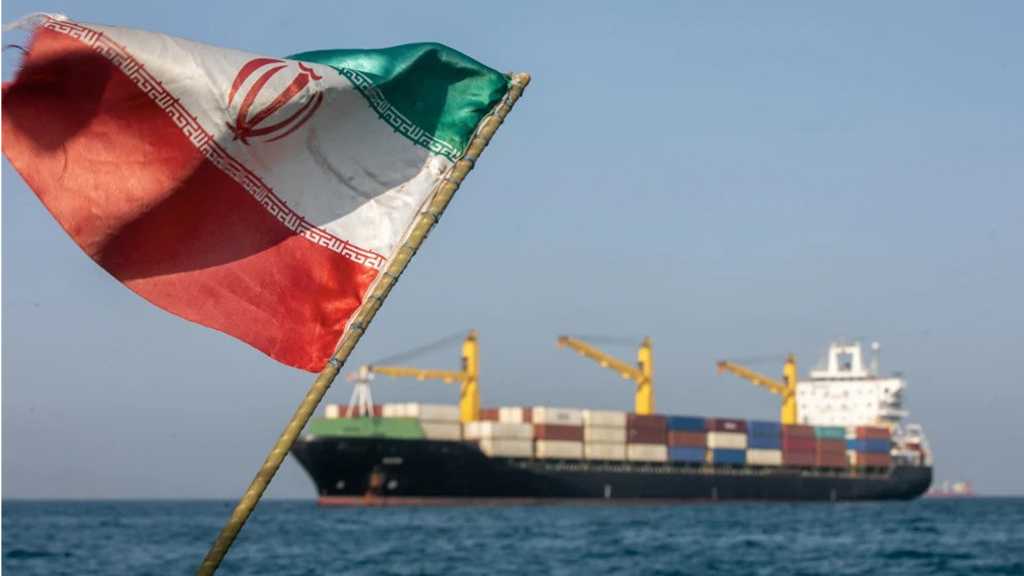
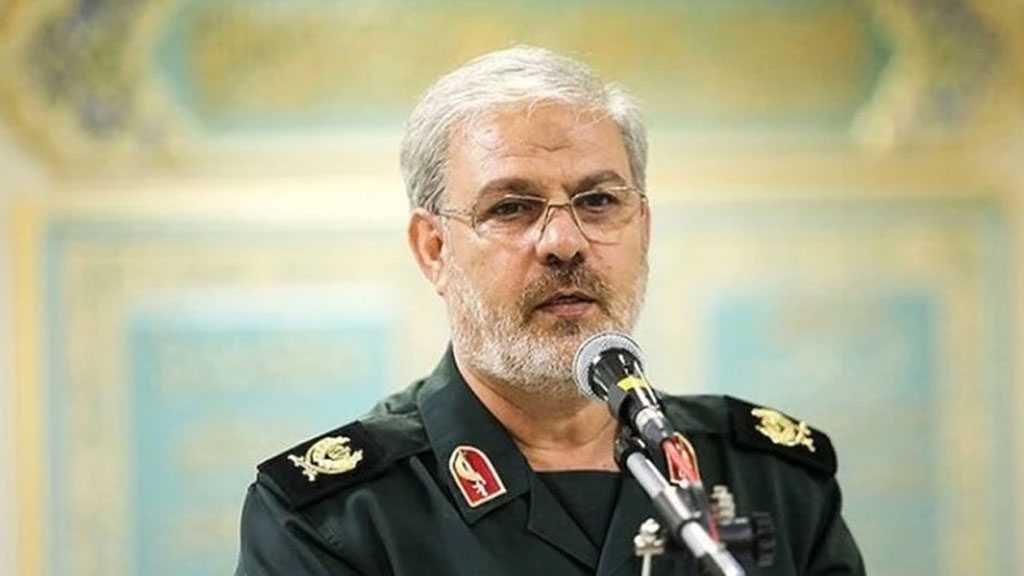
The reopening of the Strait of Hormuz is separate from negotiations between Iran and Oman and will depend on the United States accepting Iran’s conditions, the spokesperson for the Islamic Revolution Guards [IRG] said.
Speaking to reporters in Iran’s southern province of Hormozgan on Saturday, General Hossein Mohebbi discussed the status of the strategic waterway and the conditions Tehran has set for its reopening.
Mohebbi said the reopening of the Strait of Hormuz is governed by its own legal and defensive mechanisms and is “completely independent” of the negotiations between Iran and Oman.
He emphasized the strategic importance of the waterway, saying that Iran does not view the Strait of Hormuz merely as an economic route or shipping passage. Rather, he described it as an important expression of Iran’s geopolitical influence and strategic power, which is exercised in line with the country’s defense and sovereignty policies.
The IRG spokesperson said the reopening of the strait remains subject to conditions formally established and communicated by the Islamic Republic. He added that both the timing and manner of reopening the waterway would depend directly on whether the United States accepts those conditions.
Mohebbi accused Washington of interfering in regional relations and said the United States must accept Iran’s “legal and logical conditions” for transportation routes to reopen.
He also demanded that Washington refrain from interfering in negotiations between Iran and Oman, as well as talks involving other regional countries. According to Mohebbi, those negotiations are currently in their final stages.
He concluded that the conditions for reopening the Strait of Hormuz would be established once the United States accepts Iran’s demands and abandons what he described as an interventionist approach.
Comments
- Related News