- Home
- ISLAMIC RESISTANCE
- SECRETARY-GENERAL
-
Full Speeches
- Speeches-2000
- Speeches-2006
- Speeches-2007
- Speeches-2008
- Speeches-2009
- Speeches-2010
- Speeches-2011
- Speeches-2012
- Speeches-2013
- Speeches-2014
- Speeches-2015
- Speeches-2016
- Speeches-2017
- Speeches-2018
- Speeches-2019
- Speeches-2020
- Speeches-2021
- Speeches-2022
- Speeches-2023
- Speeches-2024
- Speeches-2025
- Speeches-2026
- Speech-Reports
- SG
-
Full Speeches
- Voices
- Ten Day Dawn
- The Biggest Crime
- Martyr Leaders

Leader’s Aide: Iran’s Offensive Strategy Could Reshape Global Power Equations
By Staff, Agencies
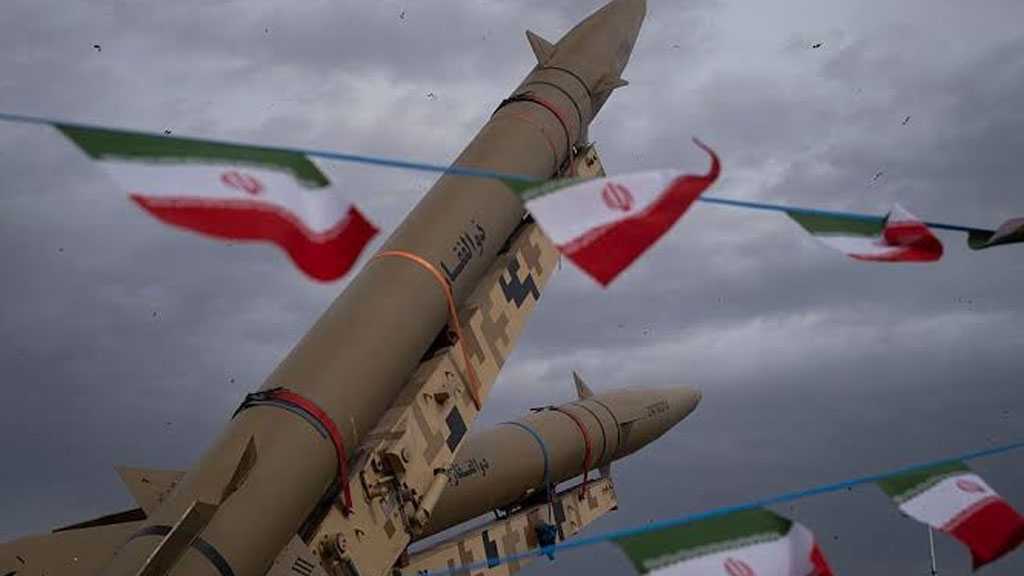
Mohammad Mokhber, an adviser and aide to Leader of the Islamic Revolution His eminence Ayatollah Sayyed Mojtaba Khamenei, says Iran’s decision to shift to an offensive phase if its conditions are not met will “undoubtedly change the equations of power in the world.”
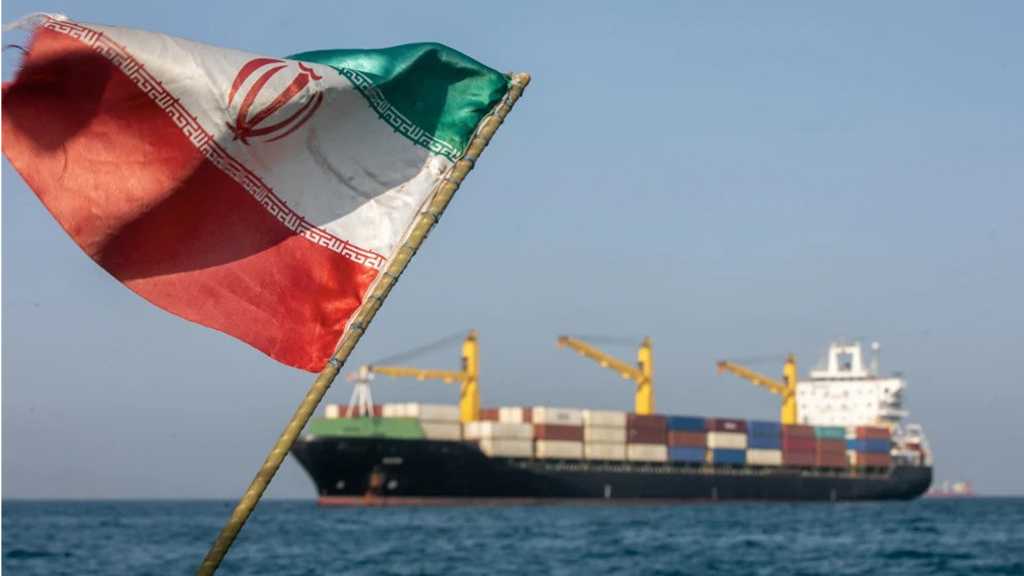
Mokhber made the remarks in a post on his personal page on Thursday, linking the strategy to developments surrounding the Strait of Hormuz and what he described as the United States’ failure to protect its allies in the Gulf.
“The definite strategy of the Leader to make the war offensive if Iran’s conditions are not fulfilled will undoubtedly change the equations of power in the world,” Mokhber wrote.
His comments followed a statement issued by Ayatollah Khamenei on April 30 to mark Persian Gulf Day, in which the Leader said Iran was entering a new phase in its approach to the Gulf and the Strait of Hormuz.
“Today, two months after the largest military deployment and aggression by the world’s bullies in the region, and the United States’ disgraceful defeat in its plans, a new chapter is unfolding for the Persian Gulf and the Strait of Hormuz,” Ayatollah Khamenei said.
He said Iran would work to secure the Persian Gulf and prevent what he described as abuses of the strategic waterway, adding that “new management of the strait” would contribute to stability, economic development and the interests of regional nations.
Against this backdrop, Mokhber said Iran’s next steps would depend on whether its conditions are fulfilled.
Tehran’s demands include an end to threats against Iran and what it describes as insults to its religious and national values; a permanent halt to war and aggression against Iran and its allies in Lebanon, Palestine, Yemen and Iraq; an end to the US naval blockade and the withdrawal of American naval and air forces from around Iran; compensation for damage caused by the two wars of aggression against Iran; the lifting of US sanctions; and the unconditional release of Iran’s frozen assets.
Mokhber further argued that Washington’s inability to protect its Gulf allies has created conditions for a new regional security framework independent of the United States.
“With the inability of the United States to protect its allies in the Persian Gulf, the most sustainable way for a new order in the region is the implementation of the economic-security mechanism of Hormuz, independent of Washington’s military guarantees,” he wrote.
Comments
- Related News