The Gathering That Says Itself: Two Years After Sayyed Nasrallah, Still Standing Beyond the Loss
By Fatima Haydar
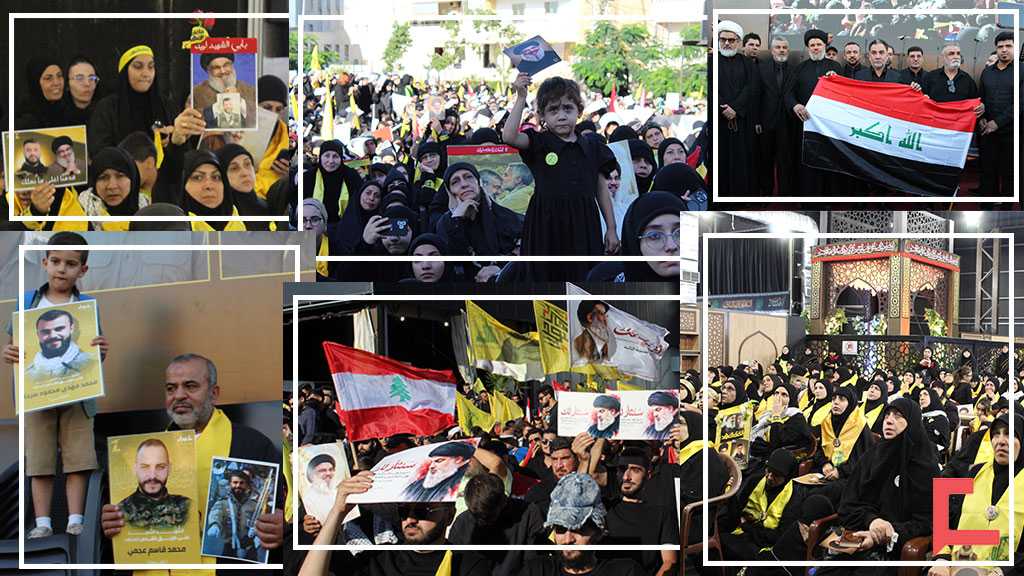
Beirut – Two years after the martyrdom of Hezbollah Secretary General His Eminence Sayyed Hassan Nasrallah, the scene at his shrine in Beirut’s southern suburbs [Dahiyeh] was difficult to reduce to a single image.
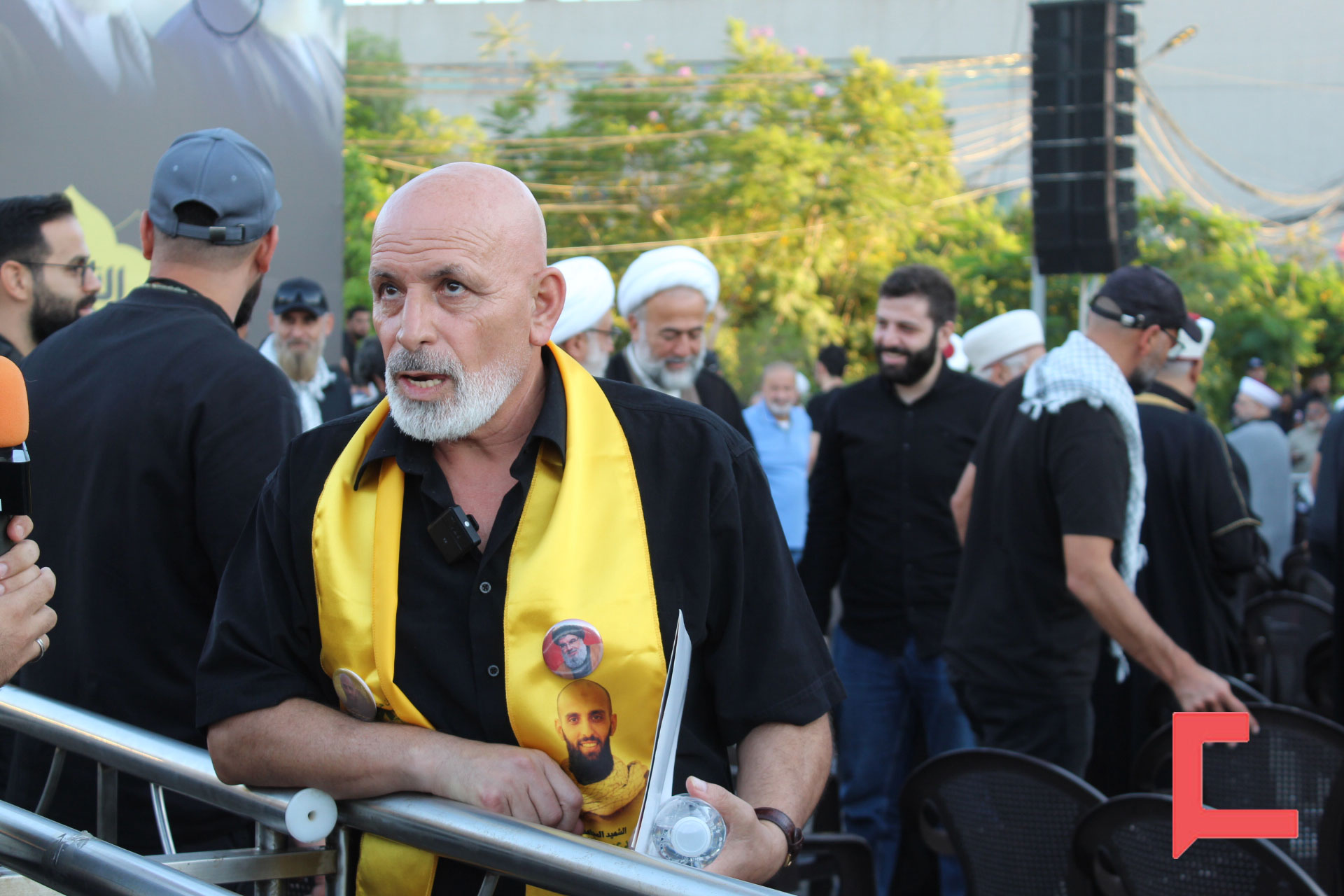
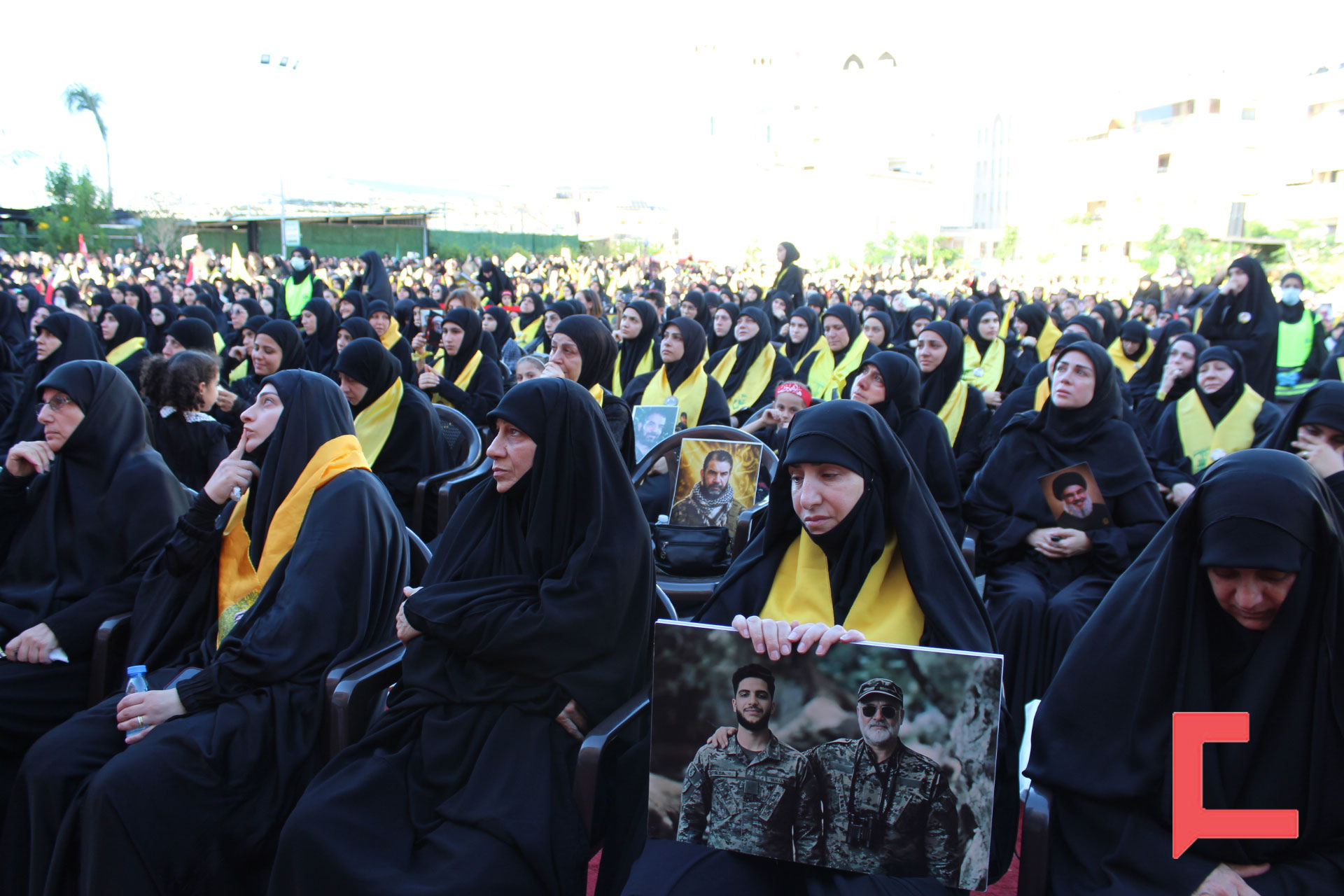
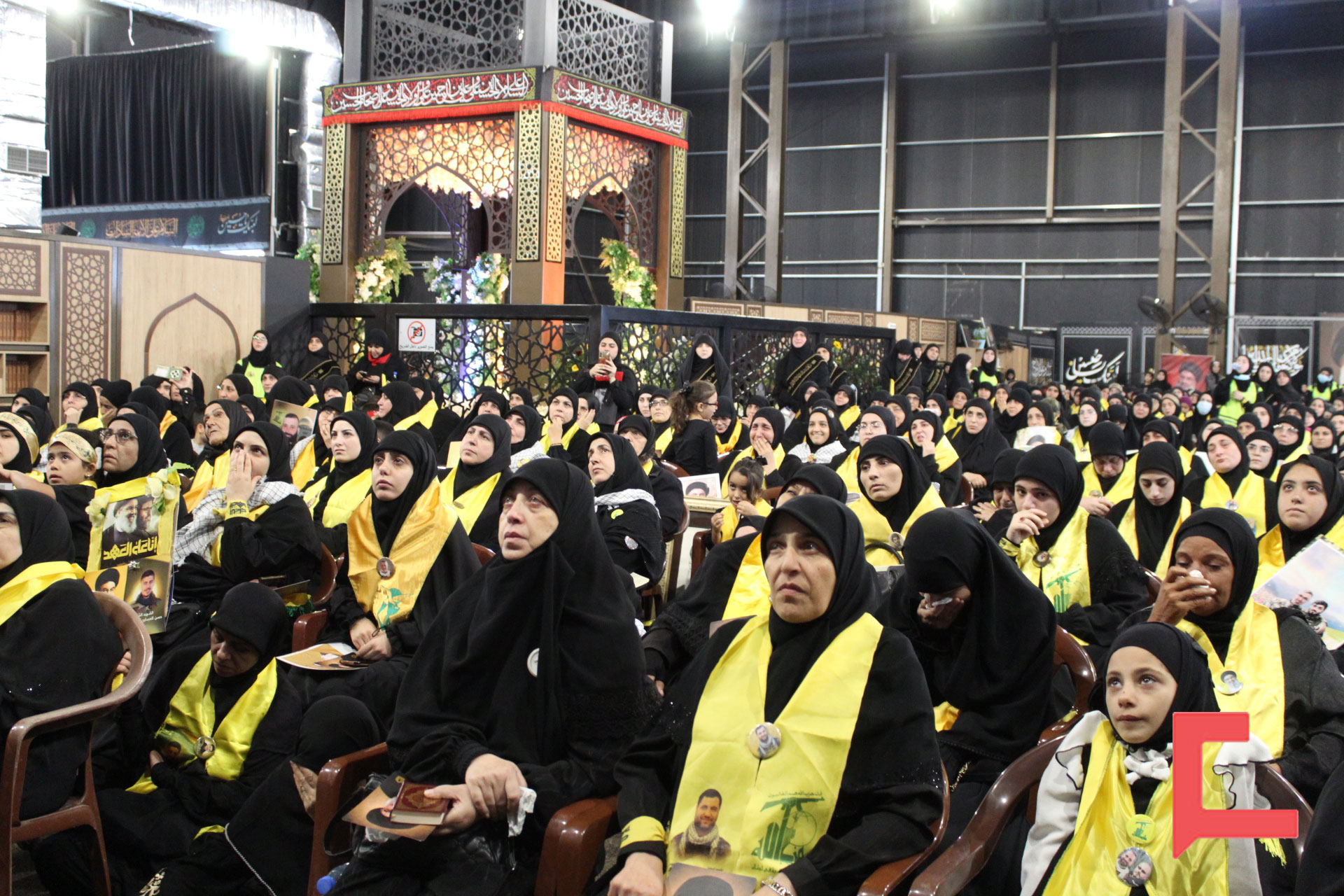
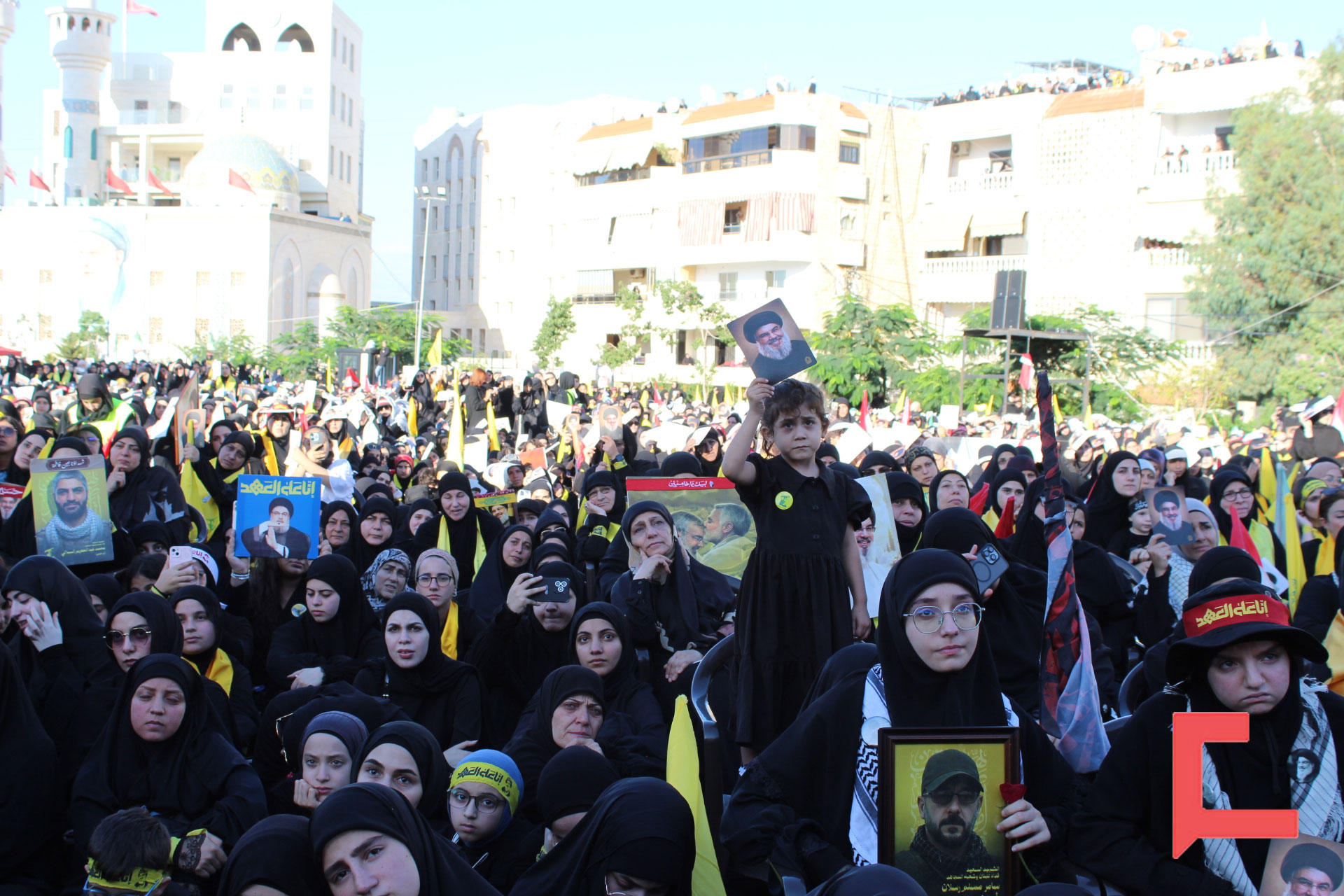
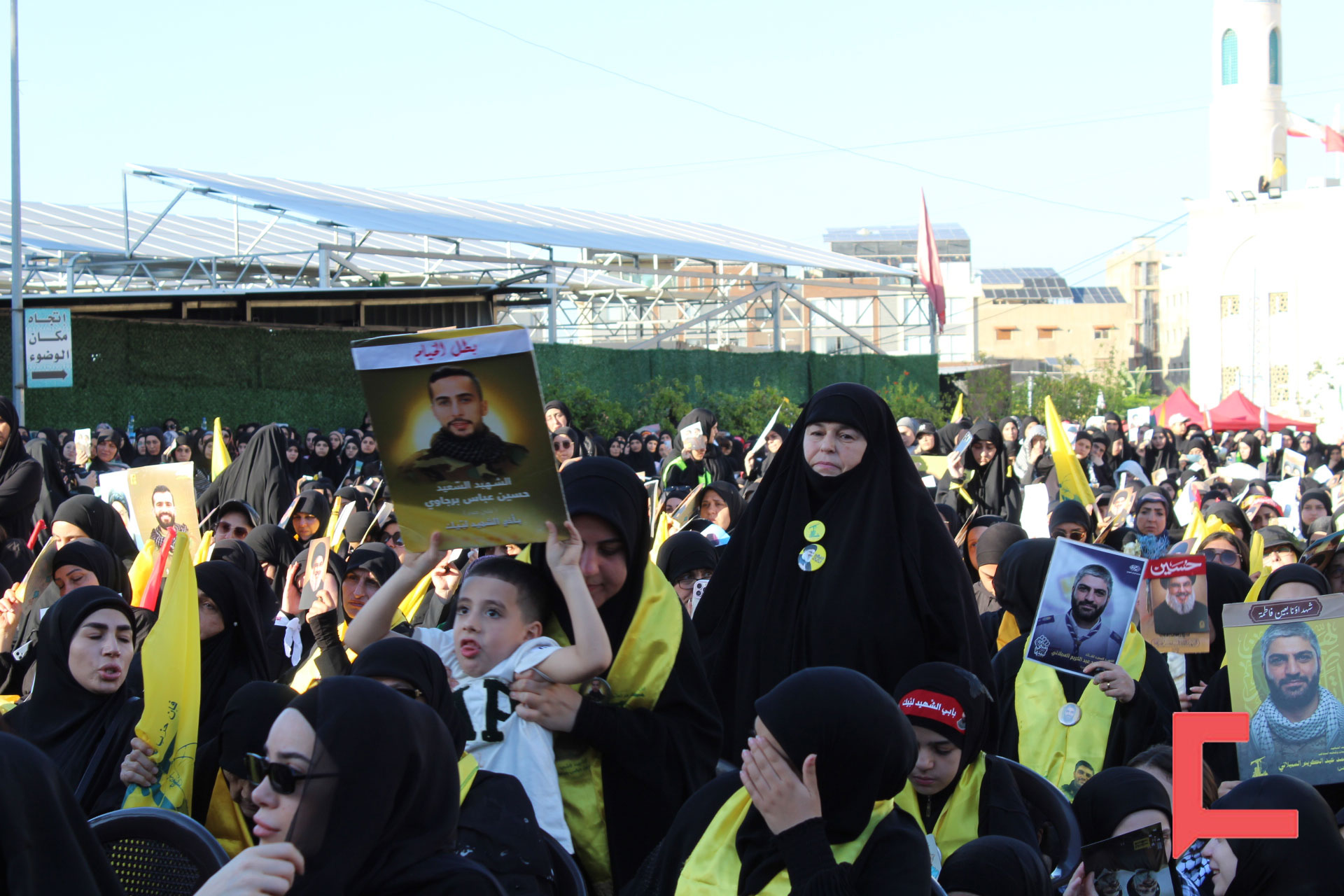
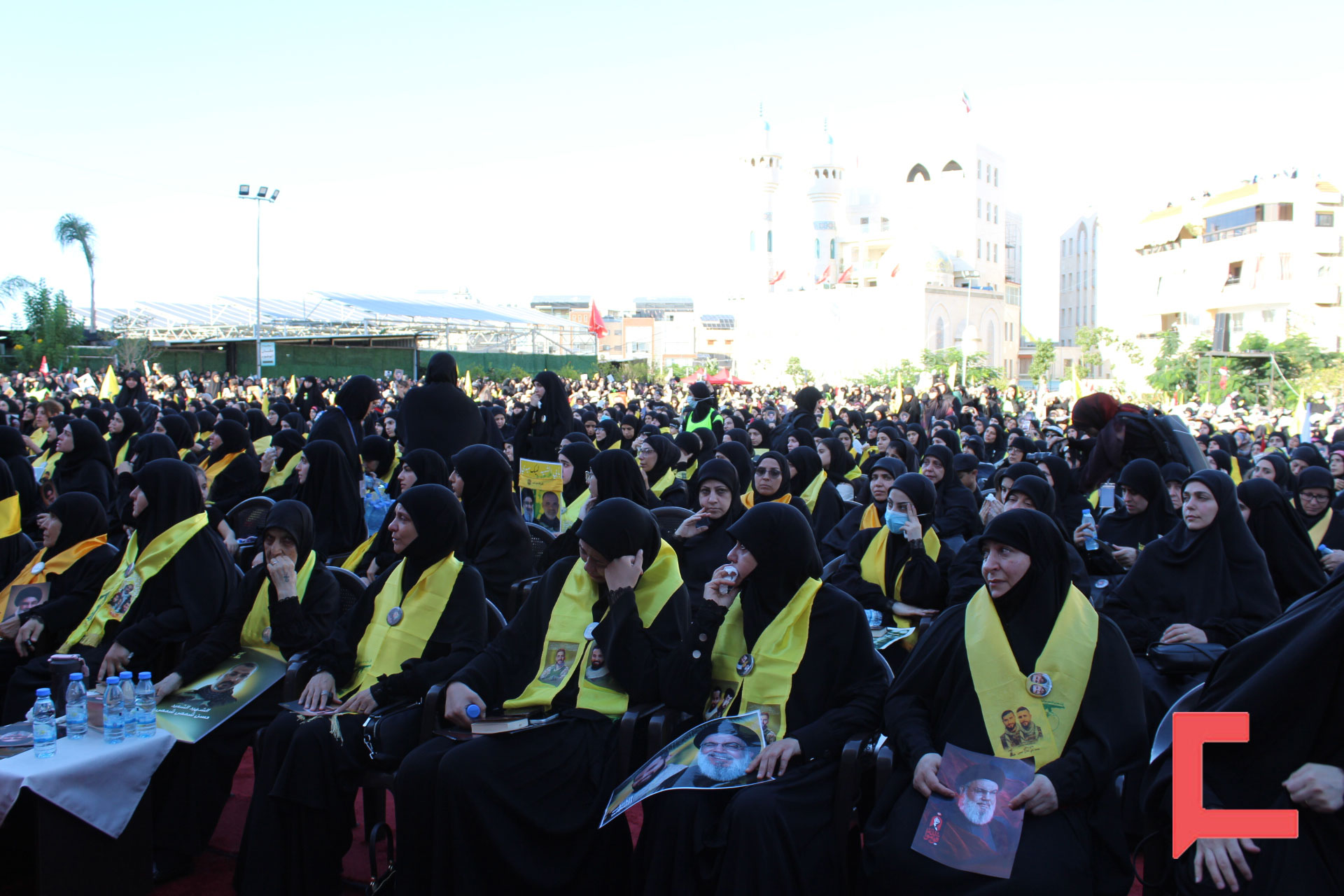
From the early hours, people made their way toward Dahiyeh. There were elderly men who had followed Sayyed Nasrallah for decades, young people who knew him mostly through recordings and stories, mothers carrying children, families of martyrs, political figures, religious scholars and visitors who had come from outside Lebanon.
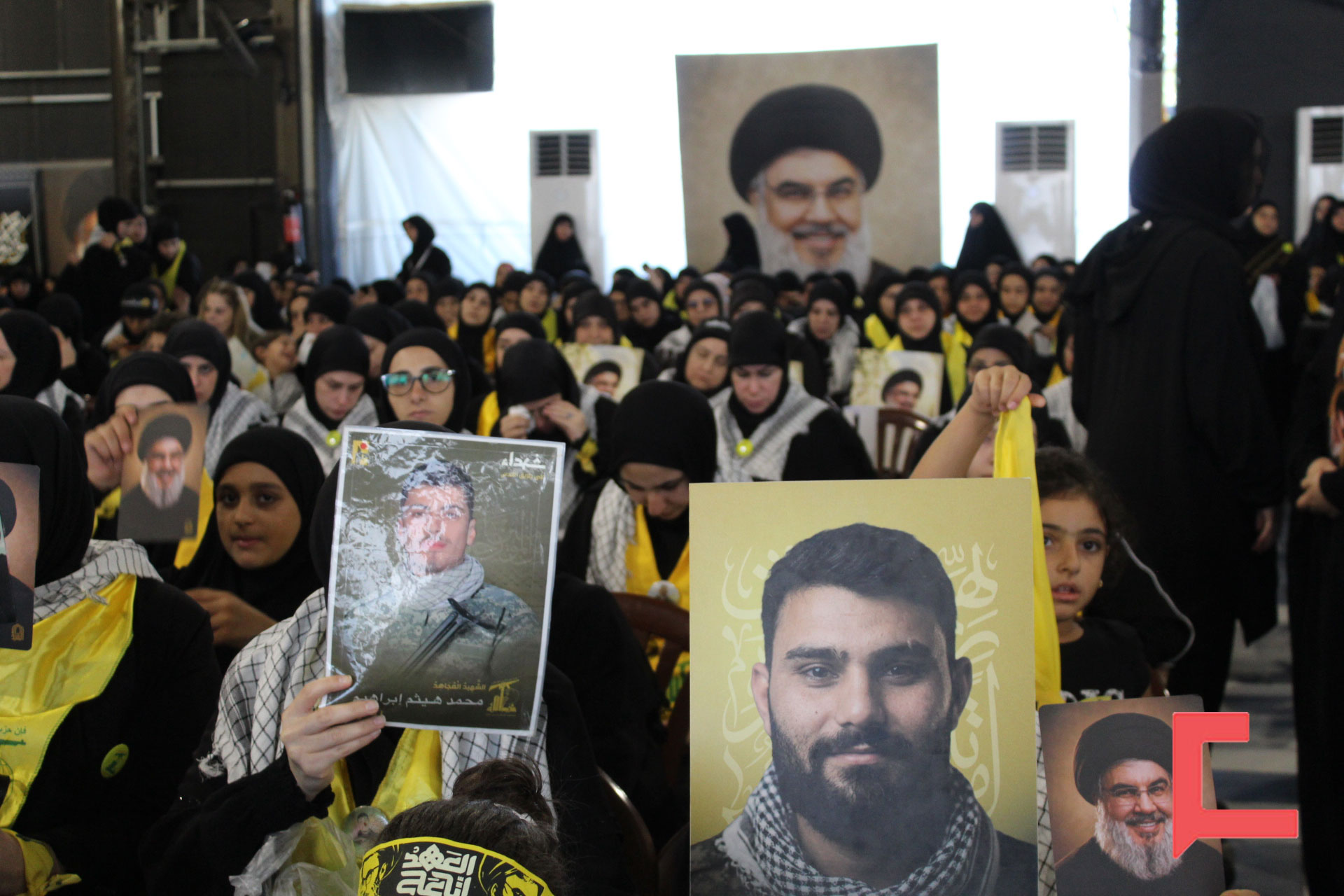
There were Lebanese flags alongside the flags of the Resistance, portraits of Sayyed Nasrallah alongside photographs of martyrs and crowds arriving from different parts of the country.
The shrine was crowded long before the main commemoration began.
People kept arriving.
Some came in groups. Others came with their families. Some stopped for photographs. Others stood quietly before the shrine before moving back into the crowd.
Sayyed Nasrallah, who was martyred in an “Israeli” strike on September 27, 2024, remains a deeply divisive figure in Lebanon. But inside the gathering today, his memory was being expressed by people who described their connection to him in very different ways.
For an event centered on one man, the gathering was strikingly diverse.
That diversity was visible not only in age, but in background.
A young teenager, standing among a group of friends, said he had grown up listening to Sayyed Nasrallah.
“I was young when Sayyed Nasrallah was martyred. I remember watching his speeches with my family. Today, I wanted to be here myself. For my generation, he is not only a memory. He is part of the history we grew up with.”
Nearby, a mother holding her daughter’s hand watched the crowds moving toward the shrine.
“I brought my daughter because I don’t want her to know him only from photographs. I want her to understand why so many people still come here two years later.”
An elderly man who had followed Sayyed Nasrallah’s speeches for years offered a different perspective.
“We have seen many leaders come and go. But Sayyed Hassan became part of people’s lives. That is why two years later, you still see these crowds.”
The differences between them were obvious.
So was the common reason they had gathered.
More than one community
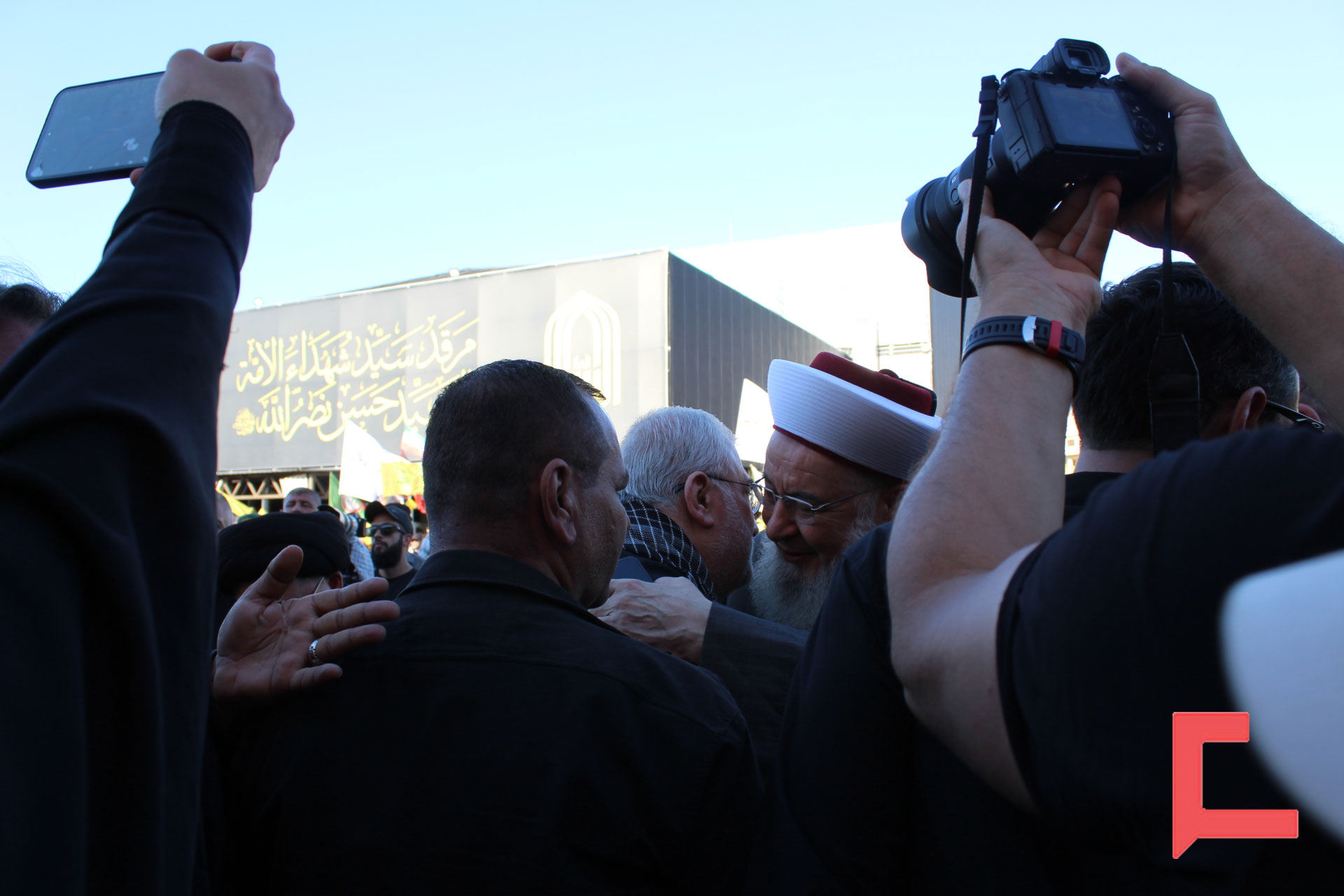
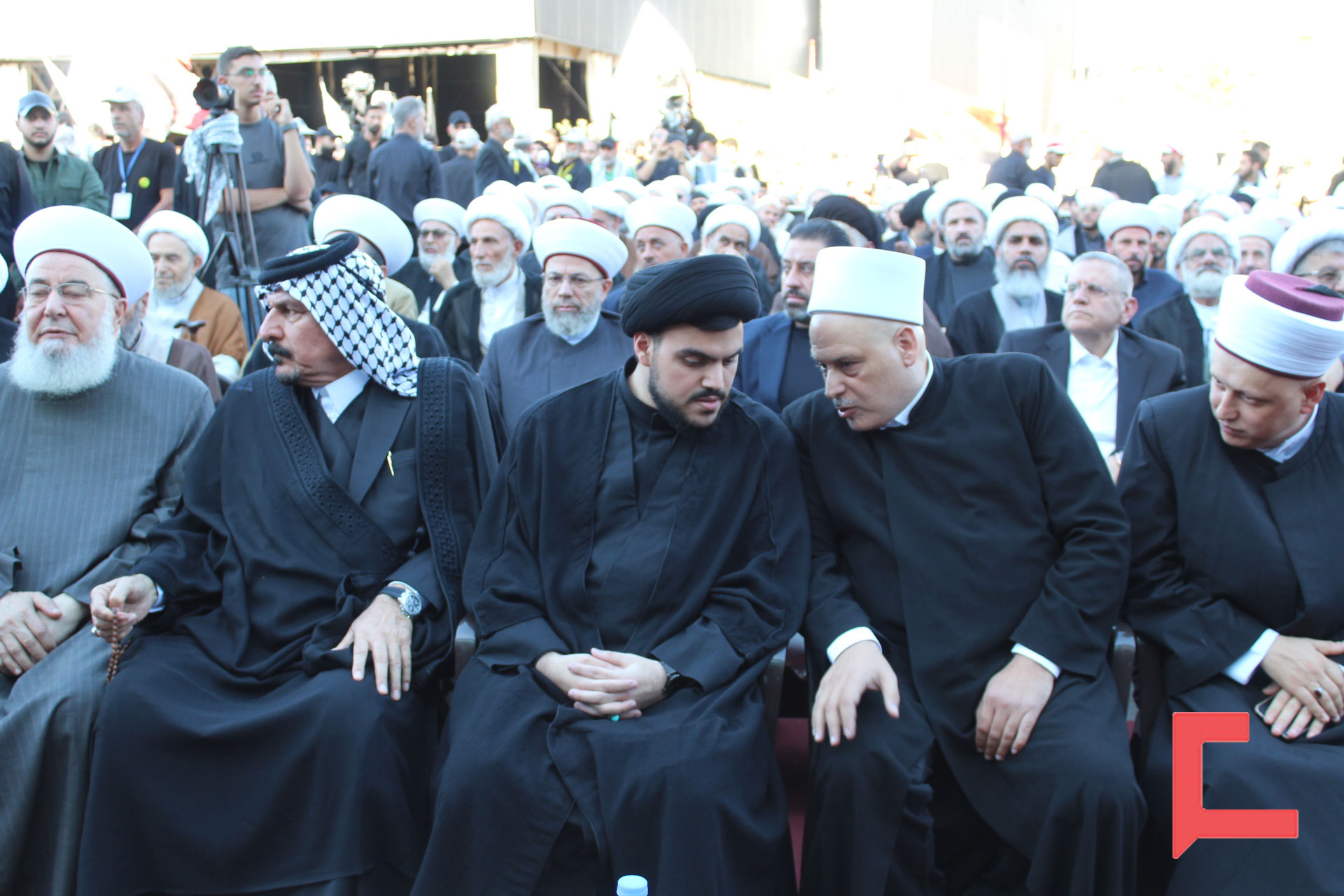
The commemoration also brought together political and religious figures whose presence reflected the broader network of relationships surrounding Sayyed Nasrallah during his years in Lebanese and regional politics.
Among those present was Marada Movement leader Sleiman Frangieh, a Christian Lebanese politician who has maintained a longstanding political alliance with Hezbollah.
His presence placed a Christian political figure within a gathering overwhelmingly associated, in the public imagination, with Hezbollah’s Shia base.
But the scene extended beyond Lebanon’s political divisions.
Sunni and Druze religious figures were also present, alongside Shia scholars and clerics.
Their participation offered another dimension to the commemoration: the memory of Sayyed Nasrallah was not being expressed exclusively through the community to which he belonged.
A Sunni religious figure at the gathering said:
“Sayyed Hassan was Shia, but the issues he spoke about were not only Shia issues. Palestine is not Shia. Lebanon is not Shia. The defense of the country is not the responsibility of one sect.”
Another Sunni attendee from Beirut put it more personally:
“I am Sunni, and I came here because I respected him. We can disagree politically, but I don’t believe his memory belongs to one sect. He spoke to Arabs and Muslims across the region, and many people saw him as a Lebanese figure before anything else.”
That distinction matters in Lebanon, a country where political identity is often closely intertwined with sectarian affiliation.
Whatever disagreements exist over Hezbollah’s political role, the people gathered at the shrine today included Lebanese from beyond its Shia constituency.
Among them were Christians.
Druze.
Sunnis.
Shias.
Political supporters and religious figures.
And ordinary people who came without holding any official position.
The mothers
Then there were the women who did not need a microphone to explain why they were there.
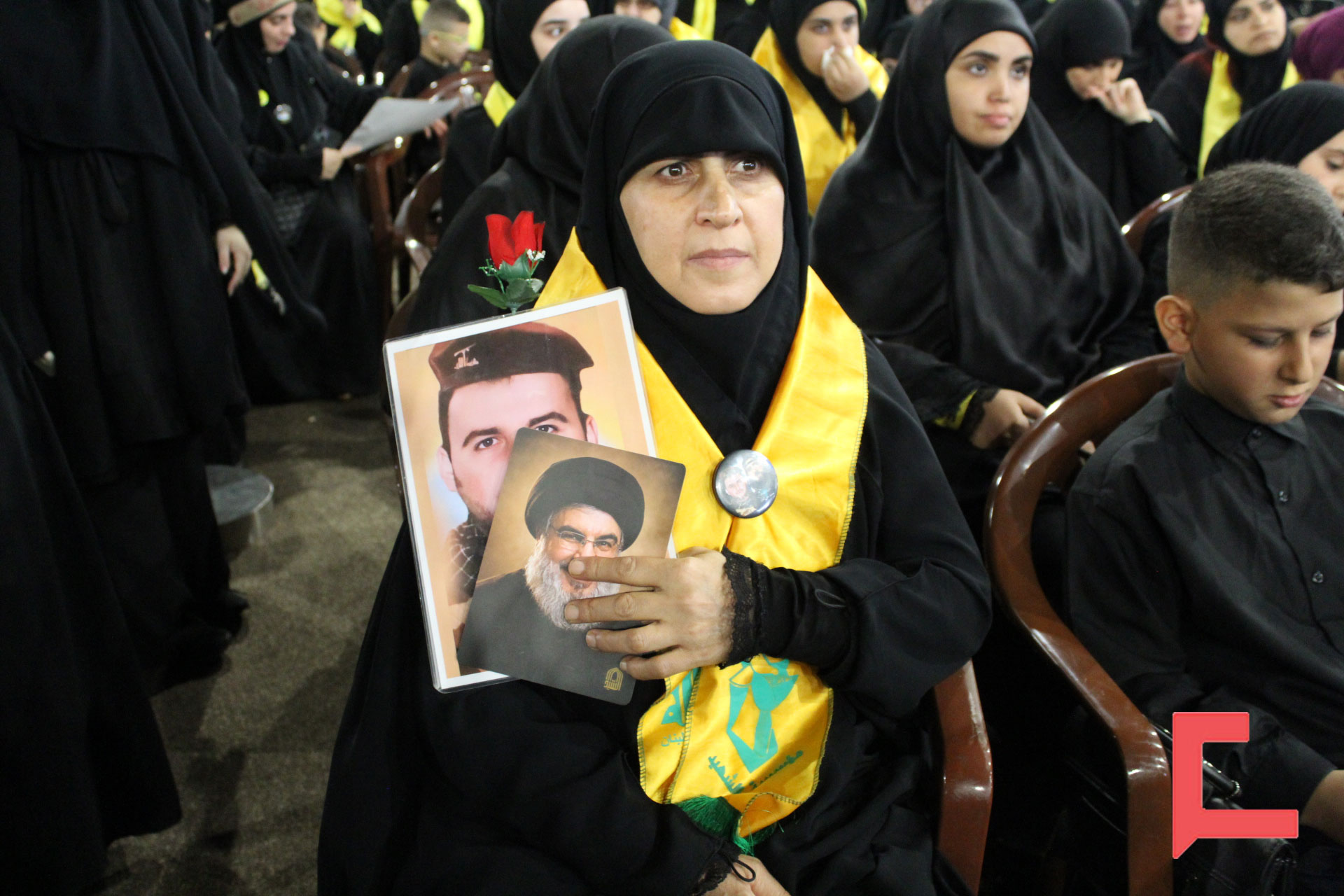
One mother, who asked not to be named, is the mother of a senior Resistance commander and the grandmother of three martyrs.
She came to the shrine carrying a family history that cannot be separated from the wars Lebanon has experienced.
She said:
“I am here because I want my presence to be understood. I am the mother of a leader and the grandmother of three martyrs. I have lost people who were precious to me, but that did not make me abandon what they believed in.”
She continued:
“If anything, their sacrifice has made me more certain that I have to stand by the Resistance. I cannot ask my children to sacrifice and then turn my back on the cause they gave their lives for.”
Her story was not unique.
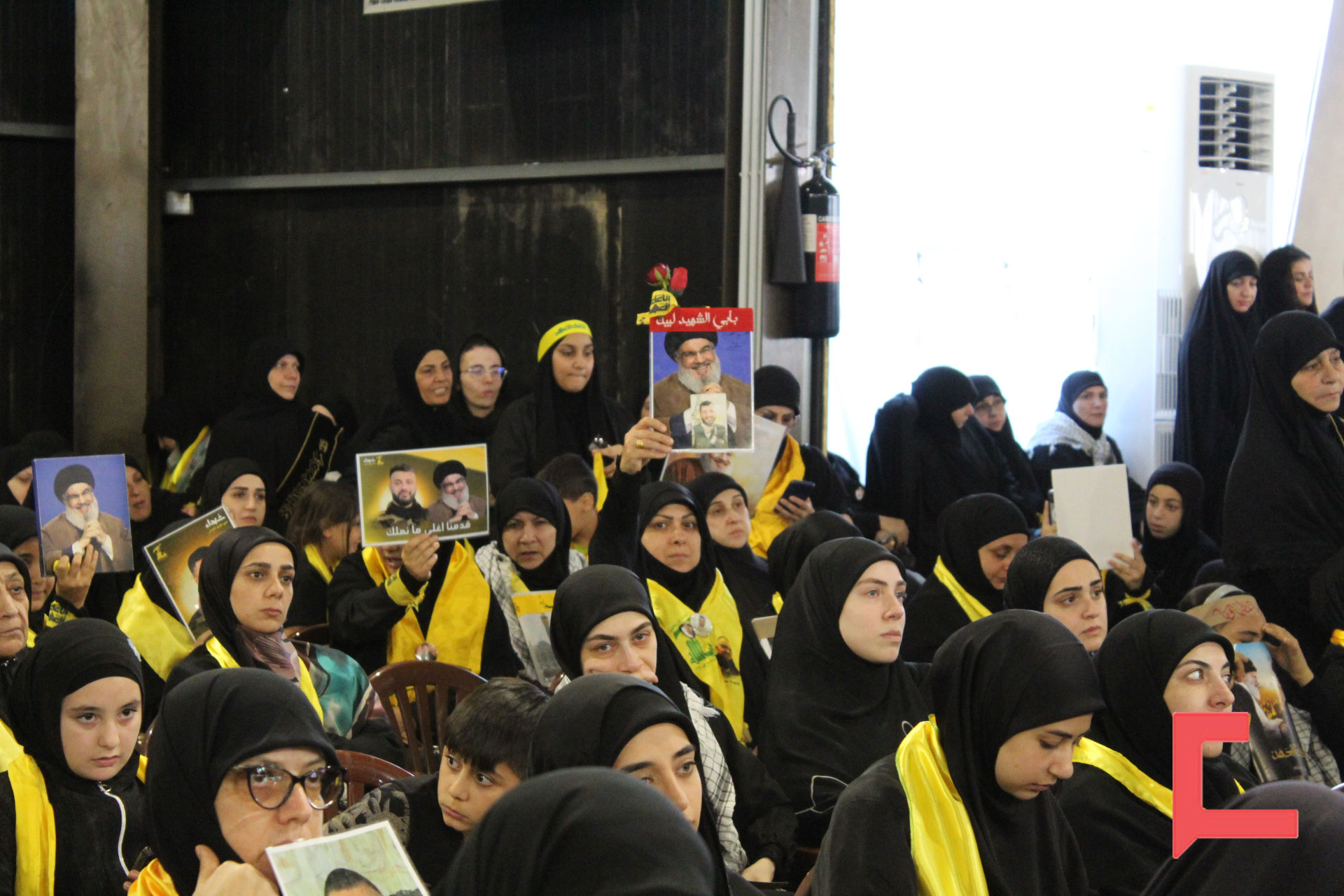
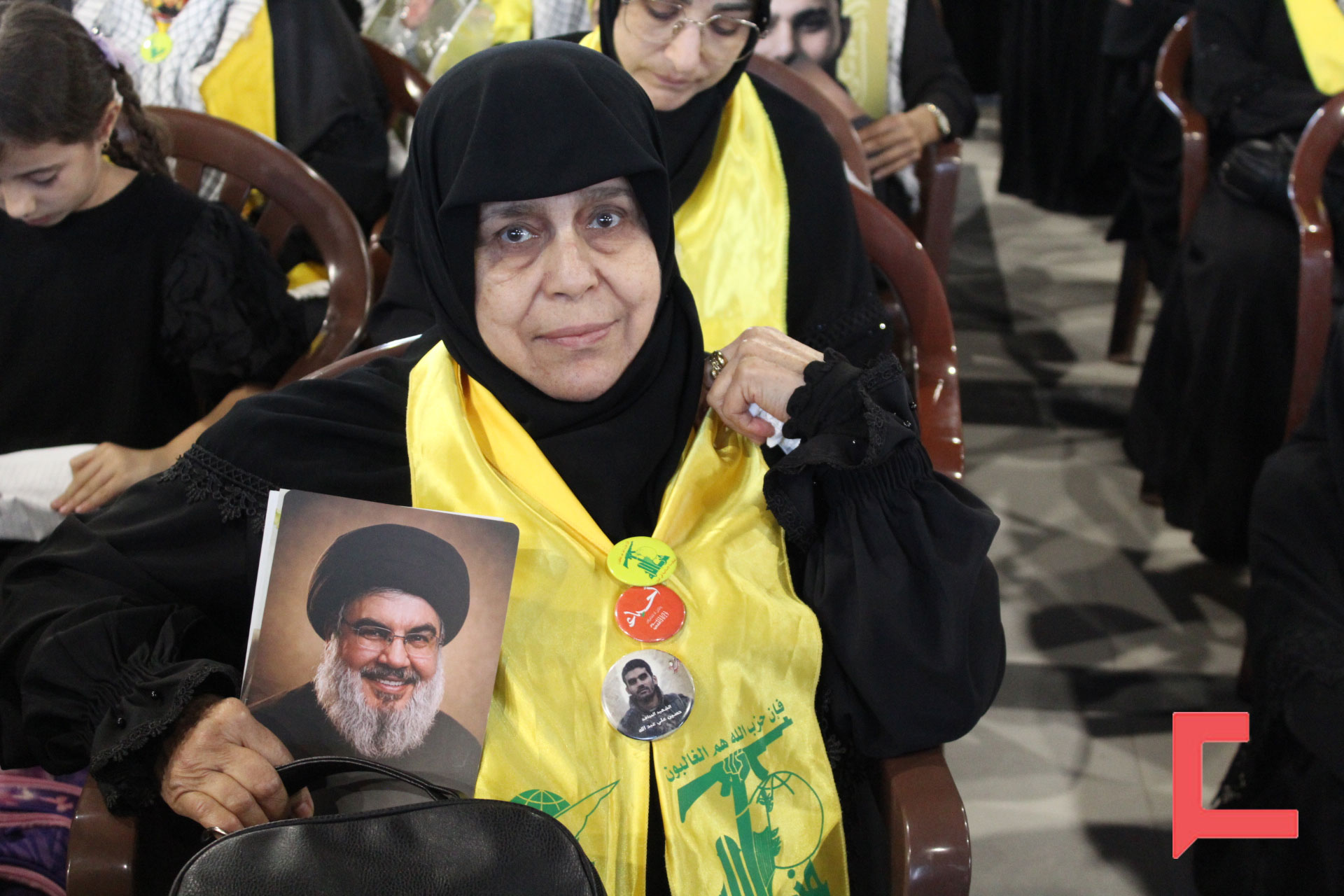
Around her were women whose husbands, sons, brothers or fathers had been martyred.
Some were mothers of martyrs.
Some were wives.
Some were sisters.
Some were daughters.
Their presence gave the gathering another dimension. For them, the anniversary was not simply the commemoration of a political figure. It was connected to the lives of people whose own stories had become intertwined with the history Sayyed Nasrallah represented.
A mother of a martyr, standing with her family, said:
“For a mother, nothing is more difficult than losing her child. But when you know why your son chose the path he chose, you understand that grief and conviction can exist together.”
A young woman whose father was martyred said:
“People sometimes think that the families of martyrs will become tired and leave. They don’t understand us. We have our grief, but we also have our beliefs. We came here because we wanted to be here.”
The women in the crowd were not all saying the same thing.
But their presence made one point unmistakable: the people most directly touched by the war had not disappeared from the picture.
The same was true of the Sayyed’s own family.
The gathering was divided, as it traditionally is, into separate sections for women and men. Among the women was Sayyed Nasrallah’s daughter, Zeinab. In the men’s section, his sons stood among the gathered crowd, alongside political and religious figures who had come to mark the occasion.
They were there as the children of a man whose absence they carry in the most personal way. But they were also standing among thousands who had come carrying a loss of their own. For many of those people, Sayyed Nasrallah was not only the father of Zeinab, Jawad and Mohammad Ali. In a different sense, he was also a father to the crowd that gathered around his shrine.
For his children, the loss is the loss of a father. For the people, it is the loss of the man they called their Sayyed, the figure whose voice, presence and guidance had become woven into their lives. The two losses are not the same, but they meet in the same place. And perhaps that is what made the scene so difficult to separate into “his family” and “his people.” They were standing together, carrying different forms of the same absence.
From Lebanon to the region
The gathering also carried a regional dimension.
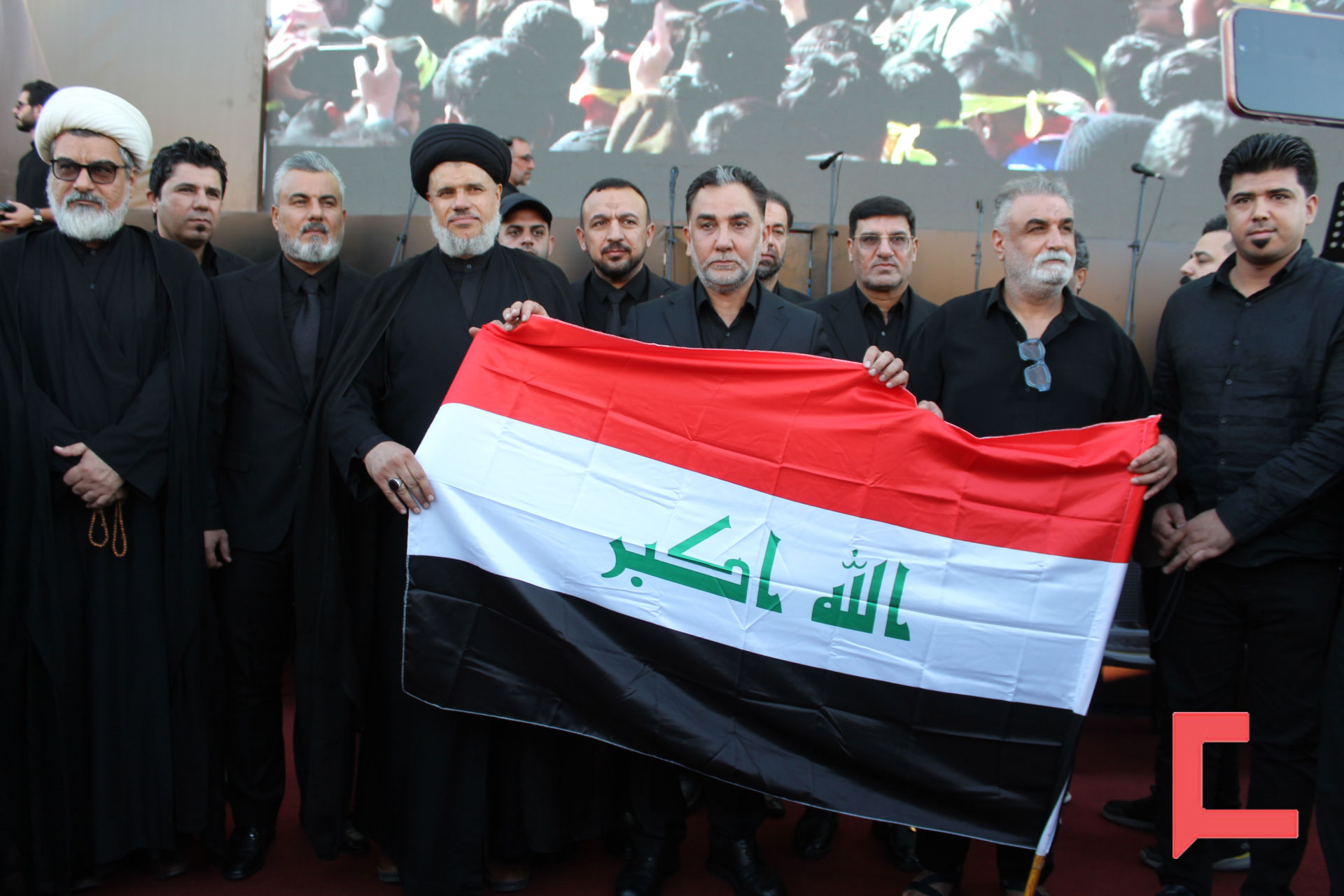
Figures and delegations from Yemen and Iraq were among those associated with the commemoration, reflecting the relationships Sayyed Nasrallah developed with movements and political forces across the region.
For years, his speeches addressed not only Lebanese audiences but also developments stretching from Palestine to Iraq, Yemen and Iran.
A Yemeni participant described what Sayyed Nasrallah represented to him:
“For us in Yemen, Sayyed Hassan was not a distant Lebanese figure. We followed his positions on Palestine and the region, and we felt that his voice was speaking about issues that concerned all of us.”
An Iraqi participant offered another perspective:
“His influence went beyond Lebanon. Whatever people think about his politics, it is impossible to speak about the region over the past decades without speaking about Sayyed Hassan Nasrallah.”
A visitor from Iraq who had come with a delegation said:
“We came because we consider his loss a loss that was felt beyond Lebanon. We wanted to be here with the people who continue to remember him.”
The presence of such delegations meant that the gathering could not be understood solely as a Lebanese event.
Sayyed Nasrallah’s political legacy remains contested, including within Lebanon and across the region. But his influence extended well beyond Lebanon’s borders, and today’s gathering reflected that regional dimension.
Two years later
Two years is enough time for a political landscape to change dramatically.
Since Sayyed Nasrallah’s martyrdom, Hezbollah has faced major military and political challenges, including the loss of senior commanders and extensive destruction during the subsequent conflict. Yet today’s gathering offered a visible picture of the Resistance movement’s continuing ability to mobilize a large constituency around his memory.
The significance of the scene was not simply the number of people.
It was who was there.
People came after war.
They came after displacement.
They came after losing homes, relatives and friends.
And they came from different generations and backgrounds.
A man in the crowd, who had returned to Dahiyeh after being displaced, said:
“We have been through a lot in these two years. We lost people and we lost homes. But when you see this many people here, you understand that the loss did not make everyone disappear. People are still here.”
Another attendee said:
“They thought that after everything that happened, people would become afraid or lose their connection to the Resistance. Look around. You can see for yourself.”
That is what the crowd demonstrated most clearly.
It does not, by itself, speak for every Lebanese citizen, nor does a commemoration settle Lebanon’s deep political disagreements.
But it provides a visible measure of continued support among those who gathered.
The people were there.
In numbers.
And they were not all from the same community.
One name, different meanings
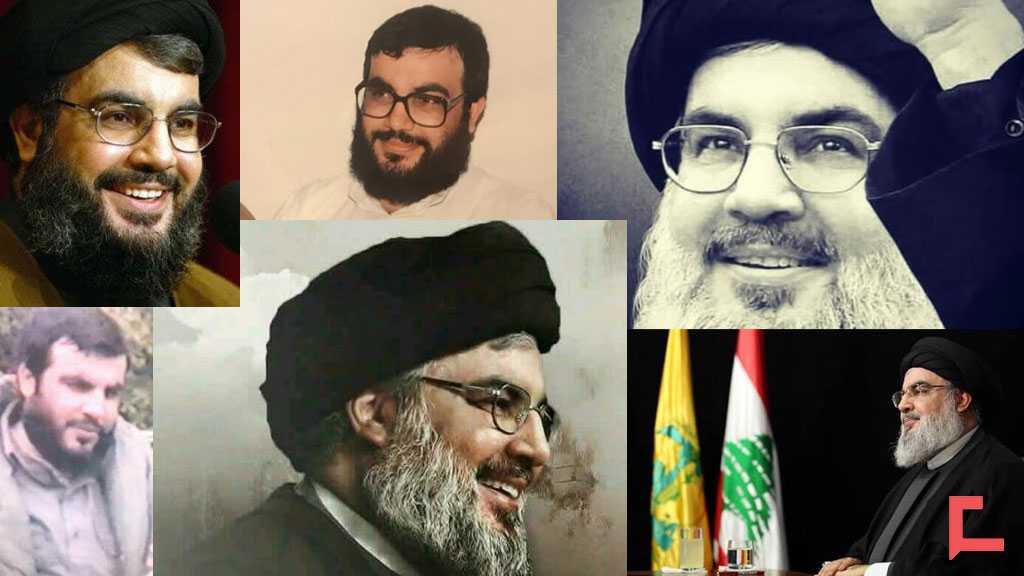
At the shrine, Sayyed Nasrallah appeared in dozens of forms.
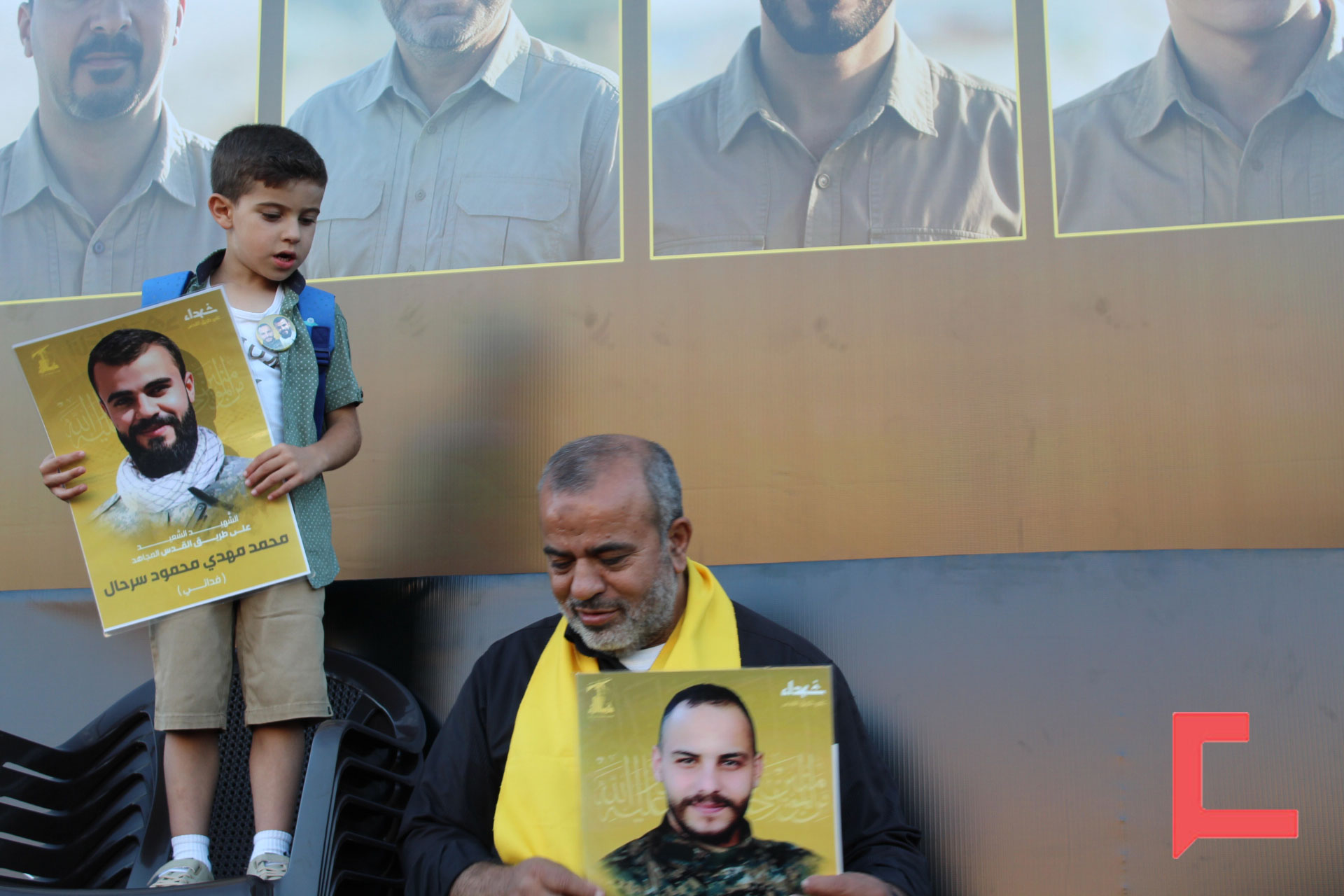
There was the portrait carried by a child.
The photograph held by an elderly man.
The image placed beside a martyr’s picture.
The poster carried by a young woman.
The banners brought by visitors from outside Lebanon.
Each reflected a different relationship with the man whose image has become one of the most recognizable symbols of Lebanon’s Resistance movement.
For some, he was a Lebanese political leader.
For others, a religious figure.
For others, a symbol of resistance to “Israel.”
For others still, a regional figure whose speeches and decisions extended far beyond Lebanon.
And for those who opposed him, he remains a deeply controversial figure associated with a political and military project they reject.
All of these realities exist around his name.
But inside the shrine today, one reality was difficult to miss.
The crowd was not made up of one generation.
Or one family.
Or one sect.
Or one nationality.
There were Lebanese Christians and Muslims. Sunni, Druze and Shia religious figures. Political leaders and ordinary citizens. Mothers, fathers, young people and children. Visitors from Yemen, Iraq and the many countries from around the world.
They did not necessarily come with identical political views or identical reasons.
But they gathered around the same memory.
And two years after Sayyed Nasrallah’s martyrdom, that gathering offered its own answer to a question that has followed his martyrdom:
What happens to the people who remain?
At least for those who filled the streets around his shrine today, the answer was visible.
They remain.
Comments