Sayyed Nasrallah’s Brother Speaks from the Heart: This Is What He Asked Us to Do
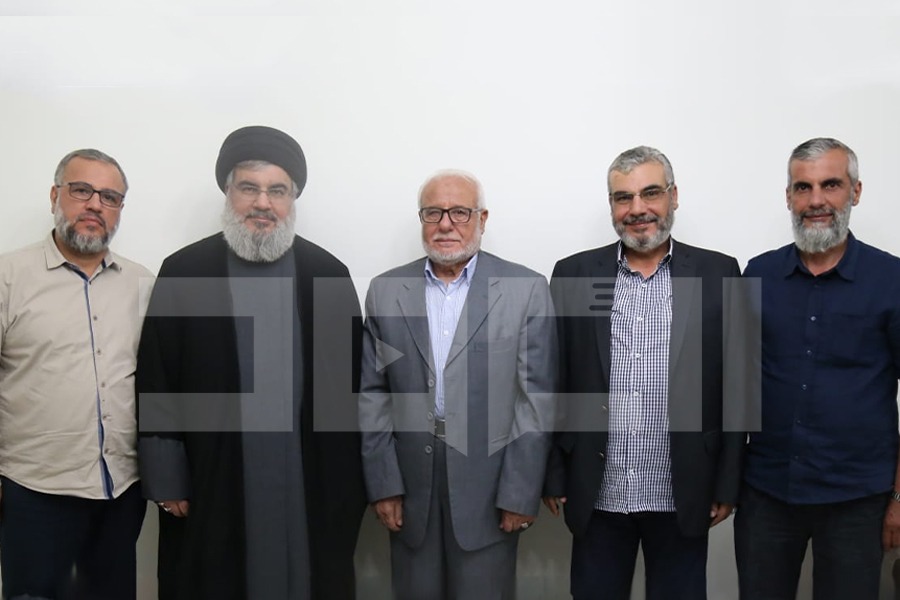
By Latifa Al-Husseini
Two years have passed, yet the loss remains immense. To his brothers, the leader was a man almost impossible to describe, a brother who brought the family and the Sayyeds together. He was a familiar figure in the collective memory of the people; a leader known from countless public platforms, an eloquent orator whose words were etched into the memory of the resistance community. Yet there was another image of him that millions never knew – a much closer and more personal one: the brother, the son, the childhood companion, and the man who lived among his family, sharing the ordinary details that would remain forever etched in the hearts of those closest to him.
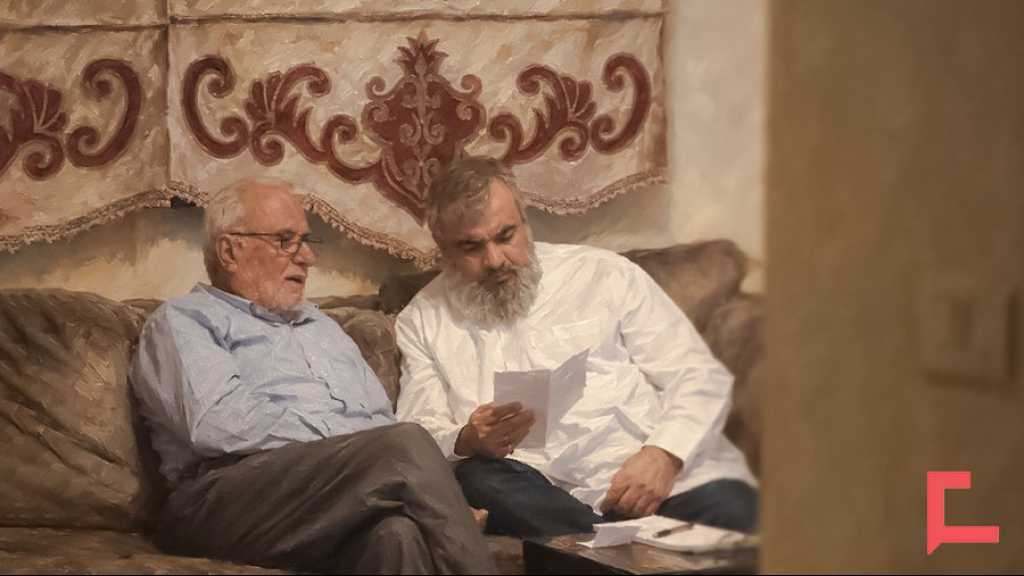
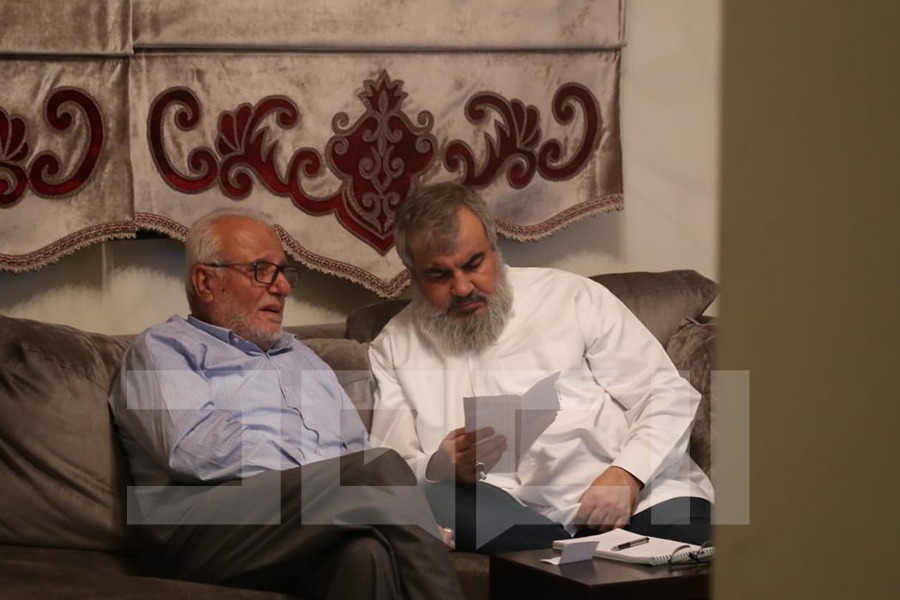
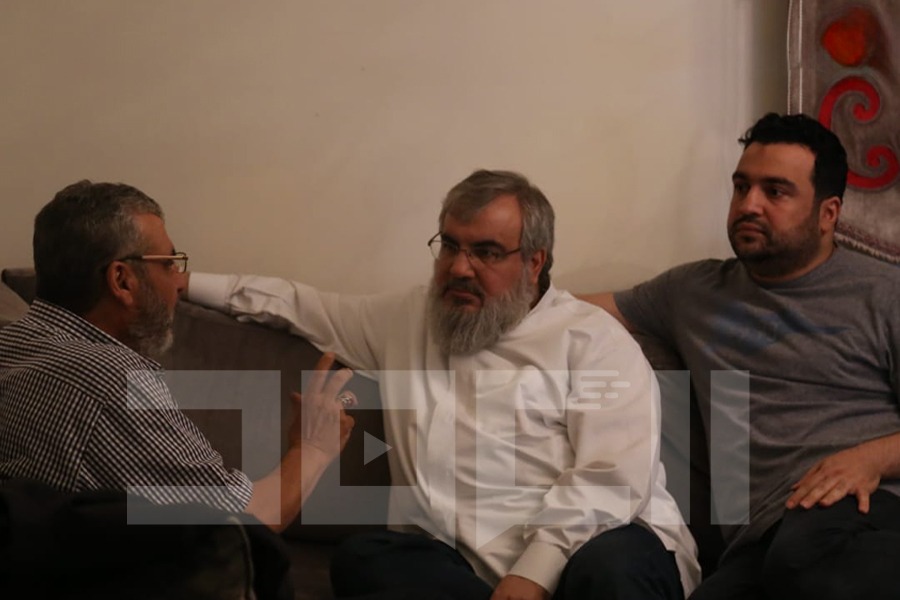
In an exclusive interview with Al-Ahed News, Sayyed Mohammad Abdel Karim Nasrallah, brother of the Sayyed of the Nation’s Martyrs, Sayyed Hassan Nasrallah (may God have mercy on him), opens the pages of his memories. We return to the family home, to their parents, to the years of childhood and youth, to Bazourieh and Chiyah, to family gatherings, holidays, phone calls and the small memories that remained after his passing.
We speak about the man who had his own laughter and sense of humor, who worried about his family, and whose smallest details of life remain alive in the hearts of those who shared his home and his years.
Below is the full interview with Sayyed Mohammad Nasrallah:
1. Two years after the martyrdom of Sayyed whom people knew as a leader, orator and symbol, how would you describe him to us as a brother?
For us, before he was His Eminence the leader, the Secretary General, or a public figure known by everyone, he was our brother – the brother we grew up with, with whom we shared our home, our childhood, our daily bread and our family memories.
We knew a different side of him: the simple man at home, the brother who joked with his siblings, who carried the concerns of his family just as he carried the concerns of the people, and who knew the smallest details of our lives despite the enormous responsibilities he carried.
To us, he was a source of support, affection, and awe all at once. As the years passed, his responsibilities grew until the whole world came to know him. But within the family, he remained the brother whose voice and laughter we knew, whose way of asking about us was familiar, and who, no matter how far his responsibilities took him, always made us feel close to him.
Perhaps the hardest thing about his absence today is that the people lost a great leader, while we lost a brother whom no one can replace.
2. When do you feel his absence most strongly today?
I feel his absence more in the small details than in the major occasions. At a family gathering, when we are all together and his voice is missing, or when something happens that I know he would have asked about, I find myself turning inward toward him and thinking, “If he were here, he would have asked about this.”
Real absence is not simply not seeing someone anymore. It is having places, times, and situations where you were accustomed to finding that person, and then realizing that he will never walk through the door again.
What hurts most is that you become accustomed to having your brother there. You never imagine that a day will come when memories become the only way you can meet him.
3. What can you tell us about growing up alongside Sayyed and your childhood and youth together?
We shared a life before circumstances carried each of us toward our own responsibilities. We went through childhood, adolescence, and youth together. We had the natural relationship shared by siblings: playing, teasing one another, laughing, and sometimes having small disagreements that quickly passed.
What was beautiful about that period was that the Sayyed was not yet the figure people would later come to know. He was simply our brother, living with us in the details of our home, our neighborhood, and our village. He had his own dreams, concerns, and interests.
Among the memories that remain closest to my heart are those days when we would gather together, far removed from all the responsibilities and events that would come later. When I remember those years, I feel that we were living through a time whose true value we would only understand once it had become a memory.
4. What was the Sayyed like in his parents’ home?
At his parents’ home, he returned to his natural self. The home was a place of comfort and reassurance for him, a place where he could simply be a brother and a son—not a leader or a person carrying responsibility.
He had tremendous respect for our parents and was careful to preserve the sanctity and warmth of the family home. Having him among his siblings brought a sense of reassurance. Even when he was quiet, his presence alone was comforting.
What was beautiful was that, despite the enormous responsibilities on his shoulders, he could sit with us and talk about the most ordinary things, as though the world outside the home did not exist.
5. What memories do you have of Sayyed with your parents? Is there a particular scene from a family gathering with your mother and father that remains with you?
One of the most beautiful images that remains in my memory is all of us gathered around our parents. Family gatherings were unlike anything else. Our father and mother would sit, and we would gather around them. In those moments, Sayyed would return to being a son among his siblings.
His mother held a very special place in his heart. It was clear how deeply attached he was to her and how much he cared about having her approval. He also held his father in the highest regard and respect, and would listen attentively to him.
No matter how much we try to describe those gatherings in words, the truest image remains in the memory: a father and mother surrounded by their children.
Today, after losing our mother, then our father, and then Sayyed, I feel that a large part of the home that once brought us together now exists only in our memories.
6. Do you have shared memories of Sayyed and his siblings in Bazourieh?
For us, Bazourieh or Chiyah is not simply a place. It is part of our family memory.
There are tiny details that may mean nothing to others but, for us, contain entire years: the houses, the roads, visits, gatherings with relatives, and sitting together with our family.
We lived simple lives, and in those days Sayyed was simply one of us. That is why when we return to those memories of Bazourieh, we do not remember the public figure whom people would later come to know. We remember the brother, the son, the child, and the young man who shared those days with us.
7. What is the one thing he used to tell you repeatedly as a brother, away from politics, religion, and leadership?
He always emphasized love and maintaining family ties, and that the family should remain united no matter where life took each of us.
One of the things that mattered most to him was making sure everyone was okay and that no one felt distant or forgotten.
He did not always speak to us in grand or philosophical terms. Sometimes, a very simple phrase from him carried a great deal of meaning: “Look after one another.”
I believe that this phrase captures much of who he was as a brother. He wanted the family to remain a family, and for the siblings to continue to support one another.
8. What conversation or family gathering remains etched in your memory? And how did he stay in touch with you during holidays and special occasions?
There were many gatherings that cannot be reduced to a single conversation. What distinguished his communication with us was that, despite his many responsibilities, he always tried to ensure that his connection with the family never faded.
During holidays and special occasions, he would always ask about everyone: Who is well? Does anyone need anything? How are the children? How is the family?
The value of those calls was not only in the words themselves, but in the feeling that he remembered you—that you were present in his mind despite everything he was carrying.
These details may seem simple, but after someone is gone, they become among the most precious things we have.
9. Can you tell us about the last meetings and conversations you were able to share with Sayyed? What stands out to you about them?
The last meetings remain different from all those that came before—not because we knew they would be the last, but because today we look back on them differently.
At the time, we did not know that we were living through the final details: the last gathering, the last look, the last conversation, perhaps even the last ordinary word.
That is the hardest part of separation: you never know that the moment you are living through will later become your most precious memory.
What remains with me from those final meetings is not only what was said, but his calmness, his manner of speaking, his concern for the family, and the feeling that I was simply standing before my brother, whom I had known since childhood, despite everything he had come to carry in terms of responsibility.
10. Did he ever say anything to you about death, parting, or martyrdom that has remained in your memory?
Death and martyrdom were part of his consciousness and faith. He did not approach them with the fear one might have of the unknown, but with deep conviction and faith.
But as a brother, when you hear someone speak about death or separation, it leaves something different inside you. Perhaps at the time you do not grasp the full meaning of those words. Then, after the person is gone, you return to them and hear them again in your memory in an entirely different way.
Today, when I remember some of his conversations about death and martyrdom, I feel that I am looking back at a man who was prepared to give his life for what he believed in. But that does not make parting any easier for us as a family.
We believe in what he believed in, and we are proud of him. But at the same time, we are human. We miss our brother, and we long for him.
11. Have you personally changed since his passing? And how do you feel today, after losing your mother, then Sayyed, and then your father in such a difficult period?
Yes, we have changed.
There are people whose departure takes more than their physical presence. They also take with them part of the life we once knew.
Losing our mother was a loss unlike any other. Then came the absence of Sayyed, followed by our father. We found ourselves facing successive voids within a very short and extremely difficult period.
Our mother was the heart of the family. Our father was its foundation. And Sayyed was a brother, a source of support, and an extension of that home.
With all of them gone, we feel that we have lost the pillars of an entire chapter of our lives.
But we also learned from Sayyed that a person is not measured only by the length of his life, but by the legacy and impact he leaves behind.
Today, we try to preserve what our parents left us: love and family unity, and to remain close to one another, as he always wanted us to be.
Yes, we miss him. We grieve for him and long for him. But we do not want grief to be the only thing that remains of him within us.
We want his life story to remain with us as a source of values, love, and family bonds. We want to preserve in our memories the image of him as we knew him: a brother, a son, and a human being who lived among his family before the entire world came to know him.
Perhaps the most beautiful thing we can say after all this parting is this:
Sayyed may have gone from our sight, but he has never left our homes, our memories, or our hearts.
Comments