Two Years After Sayyed Nasrallah: A Resistance Idea That Did Not Die
By Sondoss Al-Asaad
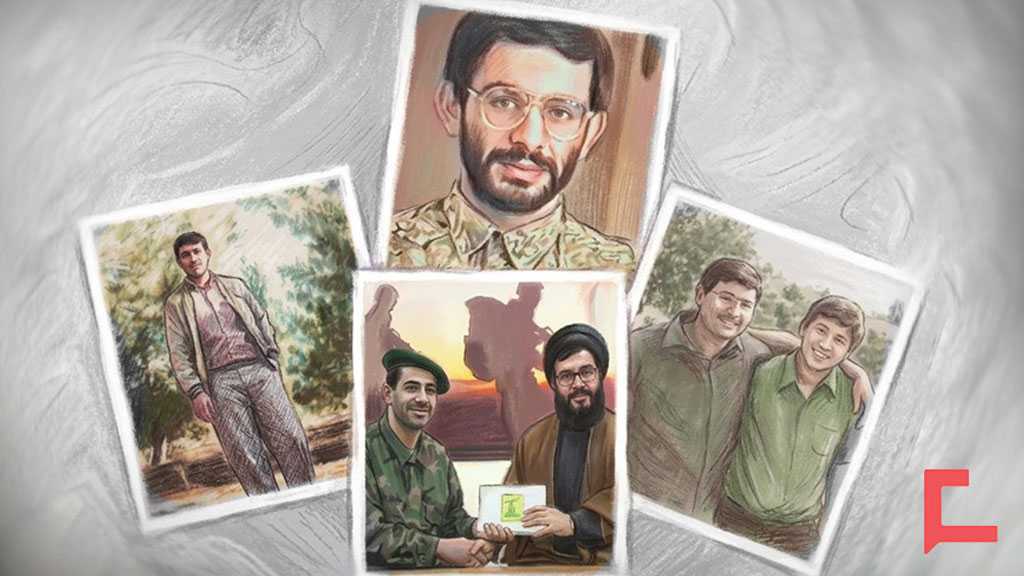
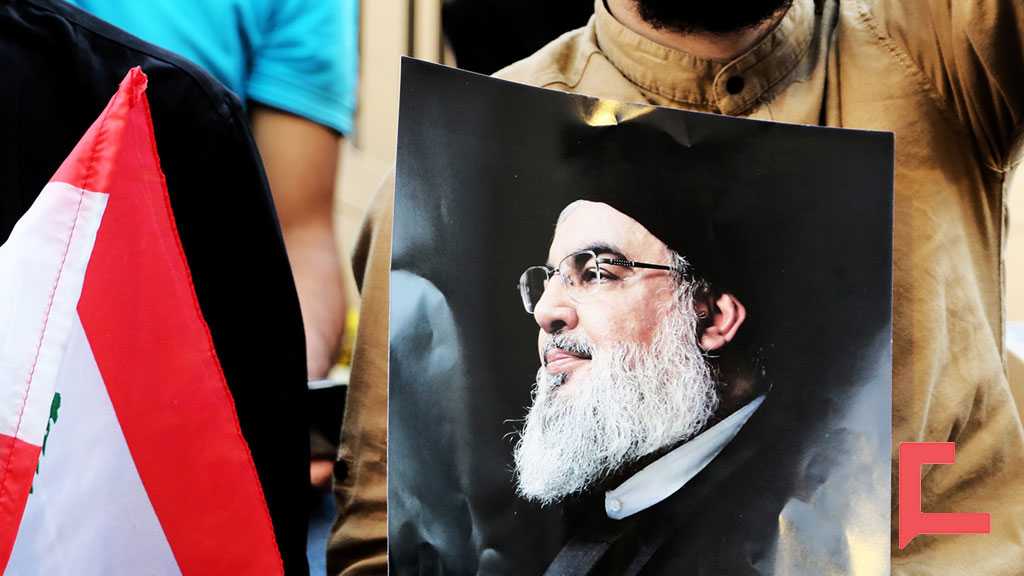
Two years after the martyrdom of Hezbollah Secretary General His Eminence Sayyed Hassan Nasrallah, the region continues to grapple with the consequences of the absence of one of its most prominent resistance figures.
His martyrdom was not merely the demise of a political leader; it represented the absence of a voice that had spent decades interpreting the region’s conflicts, defining priorities and articulating a broader horizon for confrontation.
Yet the central question today is not simply what was lost with his departure. It is what emerged afterward.
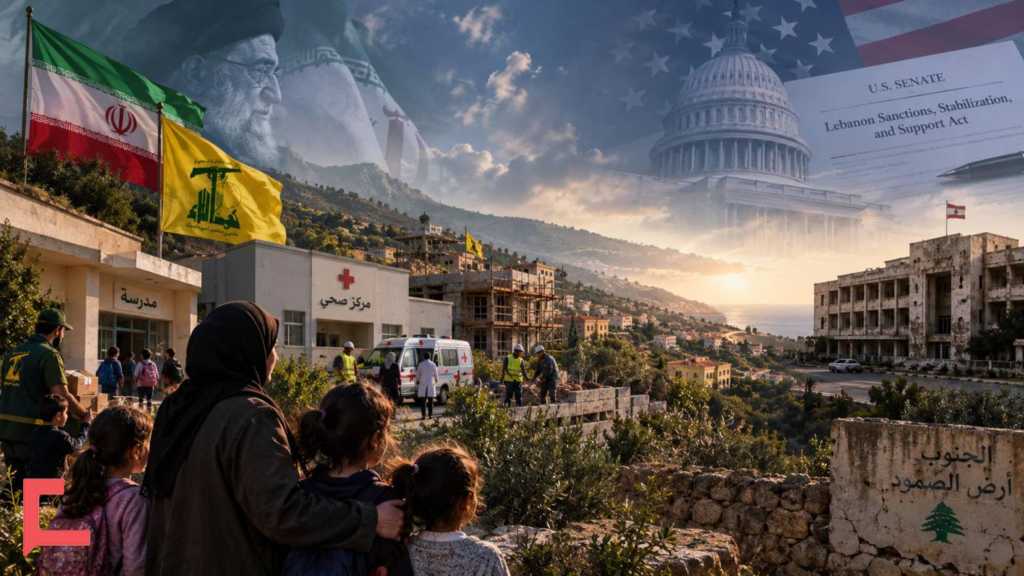
Those sacrifices of Sayyed Nasrallah, Leader of the Islamic Revolution His Eminence Imam Sayyed Ali Khamenei and other commanders and fighters did not produce the collapse of the resistance project. Rather, the United States and the “Israeli” colonial regime have encountered significant obstacles in their efforts to reshape the region according to their strategic interests.
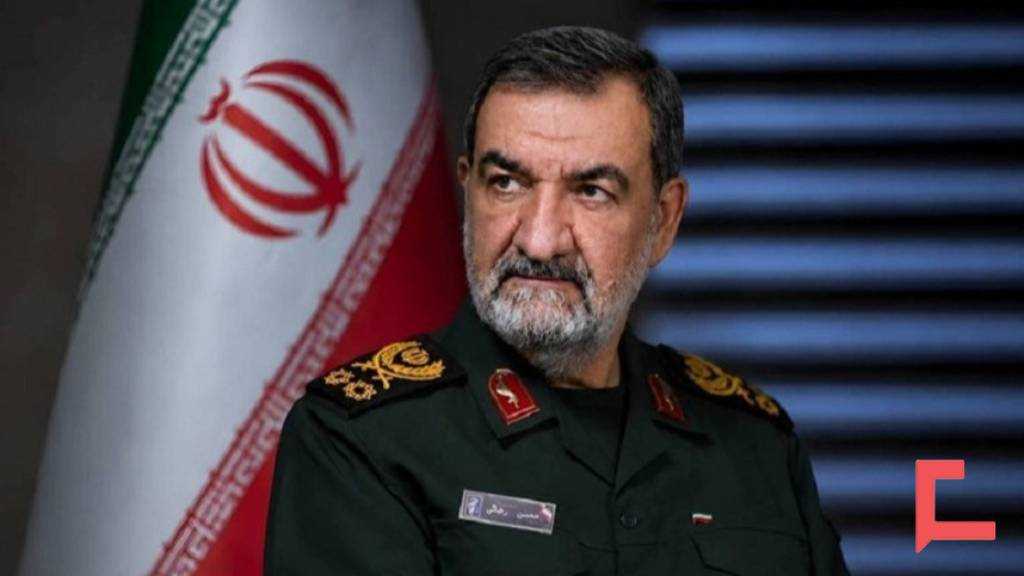
Iran has demonstrated resilience; Yemen has emerged as an influential actor; resistance groups in Lebanon and Palestine have maintained a presence despite severe military pressure; and developments in Syria remain contested rather than corresponding neatly to “Israeli” objectives.
Sayyed Nasrallah’s martyrdom obviously became a turning point rather than an endpoint; his absence marks the conclusion of an era, because he had come to embody a mature phase of the resistance experience.
Besides, the continuing presence of resistance movements challenges the assumption that an idea can be eliminated by removing one of its most recognizable representatives.
Sayyed Nasrallah’s political and military significance had developed over decades. His legacy with the Lebanese–“Israeli” confrontations of 2000 and 2006, the broader trajectory of the Palestinian struggle from the Second Intifada [Uprising] to Operation Al-Aqsa Flood, and the emergence of interconnected resistance arenas across the region. His influence also extended beyond Lebanon, reaching constituencies and movements in Syria, Iraq, Yemen, Bahrain and elsewhere.
This broader symbolic reach explains why Benjamin Netanyahu referred to him as the “axis of the axis,” reflecting the importance attributed to his role within the regional resistance network.
The argument that followed his assassination would necessarily be the collapse of that network, however, has not been borne out in the way some analysts anticipated.
The subsequent conflicts instead accelerated a wider regional reassessment; Iran continued to withstand pressure, while resistance actors adapted to extraordinary military force.
Lebanon and Palestine remained arenas of confrontation, while Yemen demonstrated that the regional balance could no longer be understood exclusively through the traditional centres of power.
None of this means that the resistance emerged without profound challenges. On the contrary, the scale of destruction and military pressure imposed enormous costs. The central issue is whether these costs can compel societies to abandon the Palestinian Cause or accept a regional order determined exclusively by Washington and Tel Aviv. The persistence of resistance indicates otherwise.
This places Sayyed Nasrallah’s legacy within a larger historical process. He was not simply presented as a Lebanese figure, but as a symbol whose language crossed sectarian, political, and geographical boundaries.
Late Imam Khamenei described him as a “lofty banner of resistance,” a phrase that captures the symbolic weight attributed to his presence.
Two years later, therefore, the question has shifted. It is no longer only whether the departure of one leader closed an era. It is whether his absence coincided with the opening of another—one defined by contested power, shifting alliances, renewed strategic calculations and an unresolved struggle over Palestine and the future architecture of West Asia.
A leader may be assassinated, a generation may be tested, and an entire movement may be subjected to unprecedented pressure, but an idea rooted in collective memory does not disappear simply because its most recognizable voice falls silent.
The upcoming years will determine how that idea evolves, what forces sustain it, and what new regional balance ultimately emerges from the continuing struggle.