- Home
- ISLAMIC RESISTANCE
- SECRETARY-GENERAL
-
Full Speeches
- Speeches-2000
- Speeches-2006
- Speeches-2007
- Speeches-2008
- Speeches-2009
- Speeches-2010
- Speeches-2011
- Speeches-2012
- Speeches-2013
- Speeches-2014
- Speeches-2015
- Speeches-2016
- Speeches-2017
- Speeches-2018
- Speeches-2019
- Speeches-2020
- Speeches-2021
- Speeches-2022
- Speeches-2023
- Speeches-2024
- Speeches-2025
- Speeches-2026
- Speech-Reports
- SG
-
Full Speeches
- Voices
- Ten Day Dawn
- The Biggest Crime
- Martyr Leaders

“Israel” Counts Over 29k Double-Envelope Ballots as Election Results Remain Uncertain
By Staff, Agencies
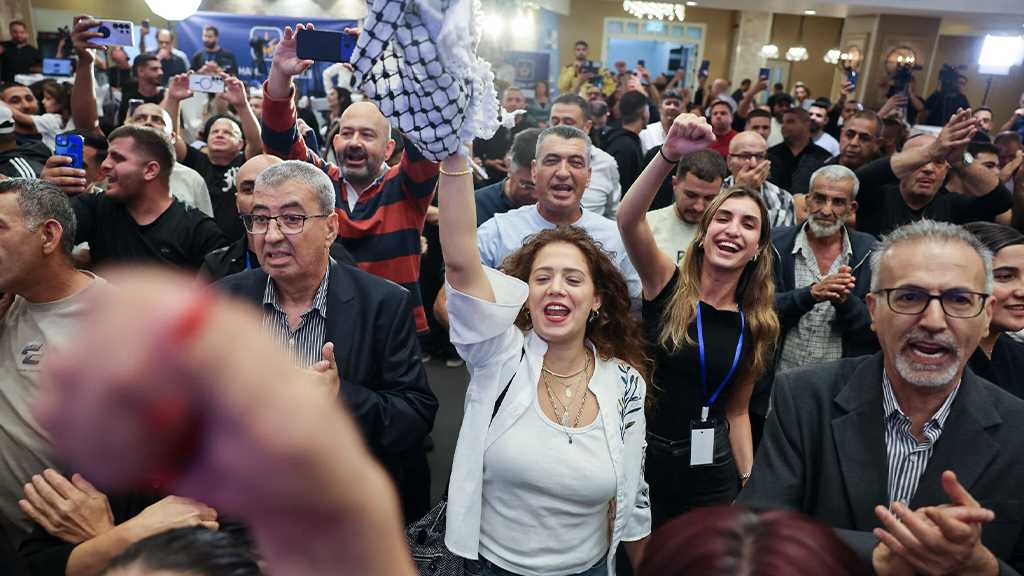
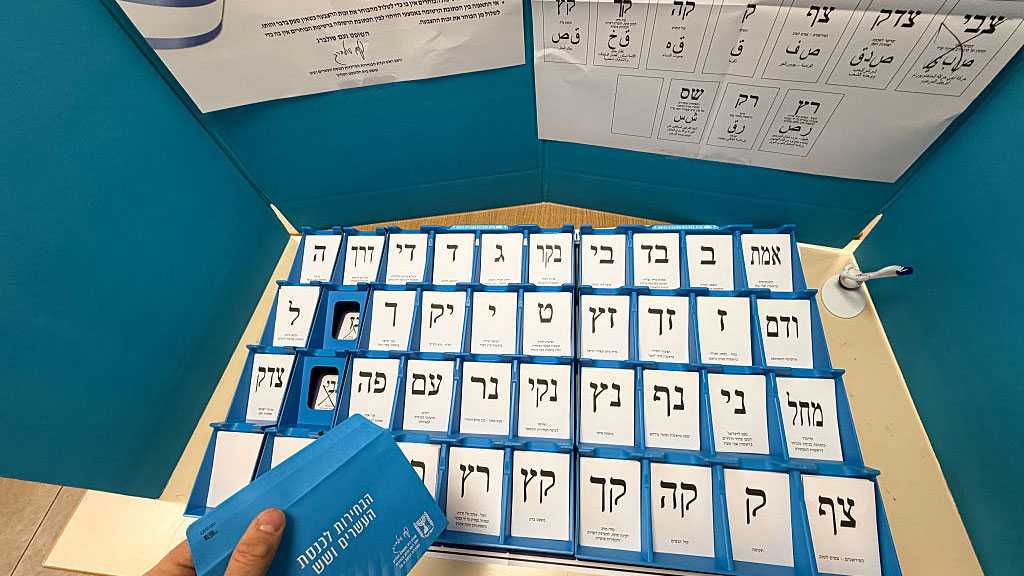
More than 29,000 double-envelope ballots have been counted in the “Israeli” entity’s elections, representing approximately 6% of the total, as the Central Elections Committee expects the process to be completed by Thursday afternoon, “Israeli” media reported.
A total of 29,253 ballots have been counted out of nearly 500,000 double-envelope votes, the daily “Yedioth Ahronoth” reported.
These ballots are cast by voters who vote away from their registered polling stations, including soldiers, diplomats, police officers and residents displaced from their residences.
To prevent duplicate voting, election officials verify voters’ identification details on the outer envelopes before separating them from the anonymous ballots for counting.
The remaining votes could affect individual parties’ seat allocations and alter the balance between the rival political blocs.
According to the report, the Central Elections Committee expects the counting of double-envelope ballots to conclude by Thursday afternoon.
After all regular ballots were counted, Prime Minister Benjamin Netanyahu’s bloc was projected to secure 53 seats, while the opposition bloc led by "Yashar" party leader Gadi Eisenkot was projected to win 48 seats. Predominantly Arab parties were projected to hold the remaining 19 seats, according to Channel 12.
Neither of the two main blocs was projected to reach the 61 seats required for a majority in the 120-member Knesset, leaving the final distribution of seats potentially significant for government formation.
The Joint List was projected to win 12 seats, while the United Arab List [“Ra’am”] was projected to secure seven, giving Arab parties a combined representation of 19 seats.
Voter turnout reached 77.7%, the highest level since 1999, according to the Central Elections Committee.
Comments
- Related News