Shocking Testimonies from Ofer Prison: Detainees Suffer Dramatic Weight Loss and Are Denied Medical Treatment
By Staff
The Commission of Detainees and Ex-Detainees Affairs has revealed the dire health and humanitarian conditions endured by Palestinian detainees at Ofer Prison, including a minor, with some suffering dramatic weight loss and others being denied essential medication and medical care.
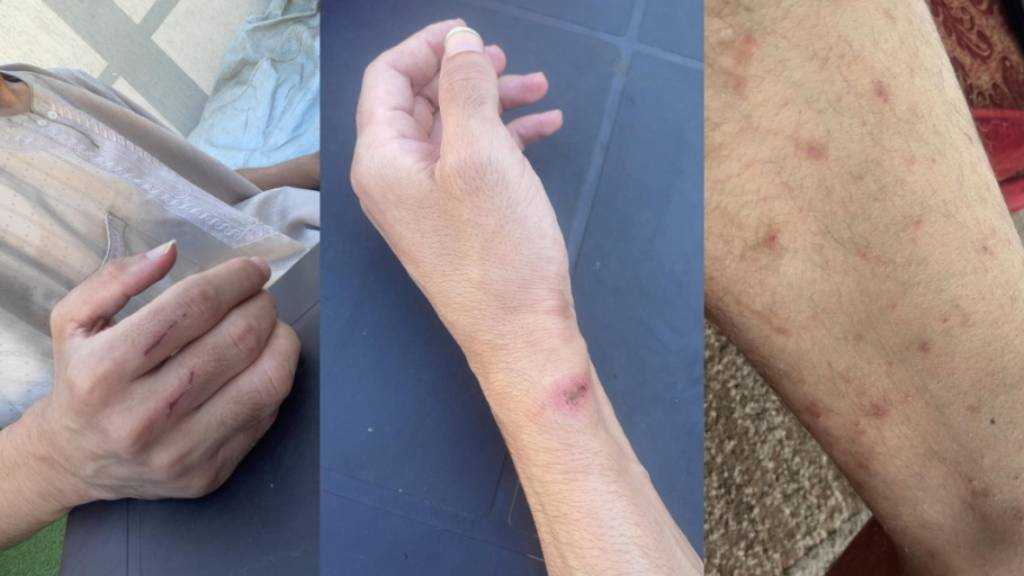
Skin diseases, malnutrition and shortages of hygiene supplies are also widespread.
In a report, the Commission confirmed that 15-year-old Palestinian detainee Mohammed Abu Hammoud has lost 26 kilograms since his arrest a year ago. Meanwhile, fellow detainee Mohammed Abu Rayaleh has not received the medication he had been taking to regulate his heartbeat since his arrest last September. They are among five prisoners whose health conditions were documented by the Commission following a visit to Ofer Prison by its lawyer.
The Commission said Abu Hammoud, from the village of Al-Jib, northwest of Al-Quds, has been detained since November 9, 2025. He is being held in a room where skin and fungal infections are widespread among prisoners, amid high humidity and a shortage of hygiene supplies. All the prisoners interviewed by the lawyer agreed that the prison administration deliberately reduces food portions and neglects to provide medical treatment to sick inmates.
Abu Rayaleh, from the city of Nablus, had regularly taken medication to treat an abnormally rapid heartbeat before his arrest on September 17, 2026. According to the Commission, the prison administration has neither referred him to a doctor nor provided him with his medication since his detention.
Administrative detainee Mohammed Halaqa, from the town of Al-Shuyukh in the Al-Khalil [Hebron] Governorate, suffers from shortness of breath due to pulmonary fibrosis, as well as high cholesterol and elevated blood lipid levels. He also experiences bouts of pain and swelling caused by gout, which restrict his movement.
The Commission said Halaqa, who has been detained since October 23, needs regular medication and medical follow-up. However, the prison administration provides him with his medication only once a week.
In the case of Amin Qattash, from Aqabat Jaber refugee camp in the Areeha [Jericho] Governorate, he has lost approximately 50 kilograms since his arrest on June 5, 2024. Qattash suffers from colon and thyroid disorders and spent 16 months suffering from scabies before eventually recovering.
Detainee Ali Shweiki, from Ramallah, has lost 25 kilograms since his arrest on December 4, 2024. He continues to suffer from the effects of a foot fracture sustained before his detention and requires medical follow-up. He also complains of persistent itching associated with scabies but has not received the necessary treatment, according to the Commission.
The detainees told the lawyer that guards allow inmates in each room just ten minutes to shower and deny them access to personal hygiene supplies. Boils, eczema and other skin diseases are widespread among them.
They added that prison guards deliberately leave the room windows open at night despite the cold, force them to remain kneeling for extended periods, and repeatedly raid and search their rooms, confiscating their personal belongings.
On November 8, the Commission had already documented the conditions of three other prisoners at Ofer, including Kamal Fayed Hosni, who had suffered from scabies for more than three months, with boils spreading across his body. According to the visit report at the time, Hosni had shown no signs of improvement approximately one week after receiving treatment.
In a broader briefing on “Israeli” occupation prisons, based on legal visits conducted with dozens of male and female detainees throughout October and early November, the Palestinian Prisoners’ Club estimated that approximately 80% of deianees, including children, are infected with scabies.
Comments